

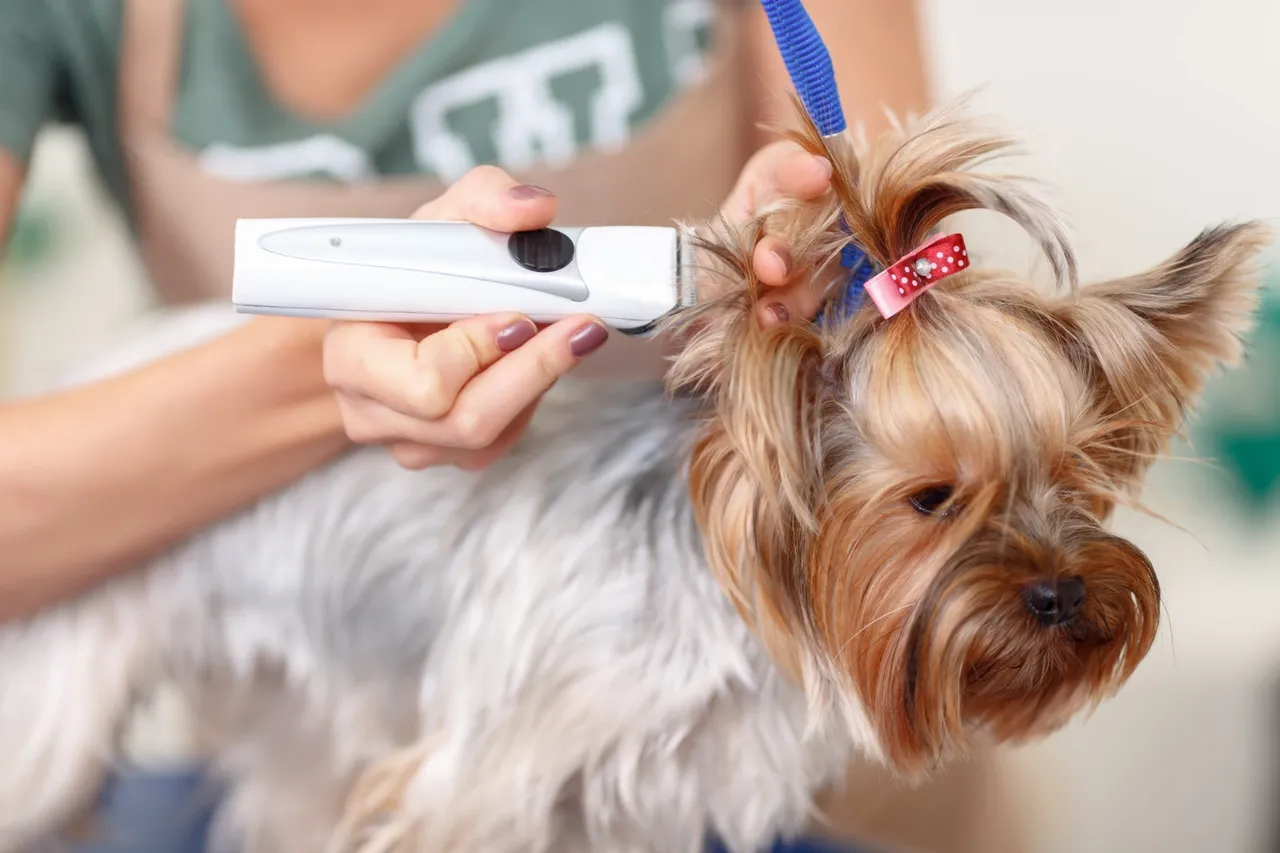
Regular grooming and hygiene care play a vital role in maintaining a healthy, confident, and balanced life. In today’s busy world, many people focus heavily on work and responsibilities while neglecting personal care. However, grooming and hygiene are not luxuries; they are basic necessities that directly affect physical health, mental well-being, and social interactions. A clean and well-groomed person not only feels better but also leaves a positive impression on others.
Understanding Grooming and Hygiene Care
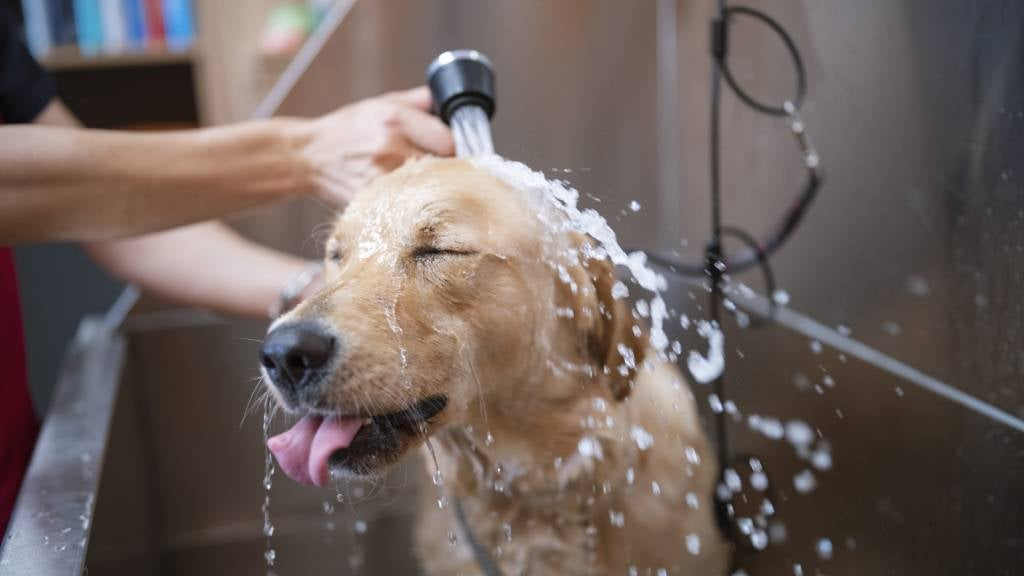
Grooming refers to the practices that help maintain a neat and attractive appearance. This includes hair care, shaving or beard maintenance, nail trimming, wearing clean clothes, and overall personal presentation. Hygiene care, on the other hand, focuses on cleanliness and health. It includes bathing regularly, washing hands, brushing teeth, and keeping the body free from germs and infections.
Both grooming and hygiene care work together. Grooming improves appearance, while hygiene protects health. Ignoring either one can lead to discomfort, illness, and low self-confidence.
Importance of Regular Grooming
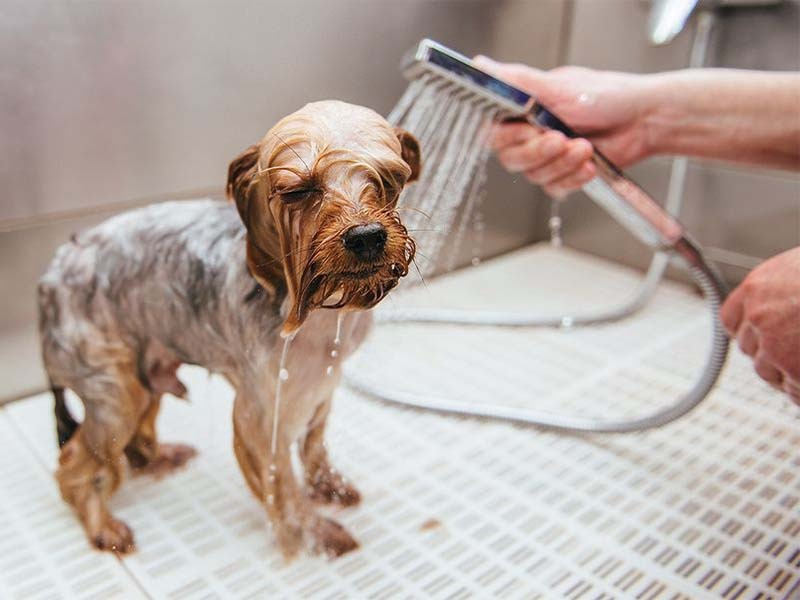
Regular grooming helps build a strong personal image. When a person is well-groomed, they appear organized, responsible, and confident. This is especially important in professional settings such as workplaces, interviews, and meetings. A neat appearance often creates a positive first impression and reflects discipline and self-respect.
Grooming also boosts self-esteem. When people take time to care for themselves, they feel more confident and comfortable in their own skin. This confidence helps improve communication skills and social relationships. Grooming is not limited to adults; it is equally important for children and teenagers, as it helps them develop healthy habits early in life.
Hygiene Care and Physical Health
Hygiene care is essential for preventing illnesses and infections. Poor hygiene can lead to the spread of bacteria, viruses, and fungi that cause various diseases. Regular bathing removes sweat, dirt, and germs from the body, reducing the risk of skin problems and infections.
Hand hygiene is one of the most important aspects of personal cleanliness. Washing hands before meals, after using the restroom, and after coming from outside helps prevent many common illnesses. Simple hygiene habits can significantly reduce the chances of getting sick and protect others as well.
Oral Hygiene and Its Benefits
Oral hygiene is often overlooked, but it is a crucial part of overall health. Brushing teeth twice a day helps prevent cavities, gum disease, and bad breath. Poor oral hygiene can lead to pain, infections, and even serious health problems if bacteria spread to other parts of the body.
Maintaining oral hygiene also improves confidence. Clean teeth and fresh breath make social interactions more comfortable and enjoyable. Teaching children proper oral care from an early age helps them avoid dental problems in the future.
Skin Care and Cleanliness
The skin is the largest organ of the body and needs regular care. Daily cleansing removes dirt, oil, and sweat that can clog pores and cause acne or infections. Proper skin hygiene helps keep the skin healthy, fresh, and glowing.
Neglecting skin hygiene can lead to issues such as rashes, fungal infections, and unpleasant body odor. Using clean towels, wearing fresh clothes, and keeping the skin dry are simple yet effective ways to maintain good skin hygiene.
Hair Care as Part of Grooming
Hair plays a major role in personal appearance. Clean and well-maintained hair enhances confidence and attractiveness. Regular hair washing, trimming, and proper care help keep the scalp healthy and prevent problems like dandruff and hair fall.
Dirty or unkempt hair not only looks unattractive but can also cause scalp infections. Whether hair is long or short, maintaining cleanliness and neatness is an important part of regular grooming.
Nail and Hand Hygiene
Hands and nails are constantly exposed to dirt and germs. Long or dirty nails can easily collect bacteria, which may enter the body through food or contact with the face. Keeping nails short and clean is an important hygiene habit.
Clean hands are especially important because they come into contact with many surfaces throughout the day. Regular hand washing and nail care reduce the risk of infections and improve overall cleanliness.
Clothing and Personal Presentation
Wearing clean clothes is an essential part of grooming and hygiene care. Dirty or smelly clothes can cause skin irritation and infections. Clean clothing also improves comfort and confidence.
Undergarments should be changed daily, and clothes should be washed properly. Choosing appropriate clothing according to the weather also helps maintain body hygiene and prevents health issues.
Mental Health and Self-Confidence
Regular grooming and hygiene care have a strong connection with mental health. A clean and well-groomed person often feels more positive and motivated. Good hygiene reduces stress and promotes a sense of control over one’s life.
When people feel clean and presentable, they are more likely to engage in social activities and interact confidently with others. Poor hygiene, on the other hand, can lead to embarrassment, social withdrawal, and low self-esteem.
Teaching Grooming and Hygiene to Children
Teaching children the importance of grooming and hygiene from a young age is essential. Parents and caregivers should encourage habits such as brushing teeth, washing hands, bathing regularly, and wearing clean clothes.
Children who learn these habits early are more likely to continue them into adulthood. Good hygiene habits protect children from illnesses and help them grow into disciplined and responsible individuals.
Making Grooming and Hygiene a Daily Routine
Grooming and hygiene care do not require expensive products or a lot of time. Simple daily routines can make a big difference. Taking a bath, brushing teeth, washing hands, and wearing clean clothes should be part of everyday life.
Creating a routine helps turn these practices into habits. Once grooming and hygiene become a natural part of daily life, maintaining cleanliness feels easy and rewarding.
Long-Term Benefits of Regular Grooming and Hygiene Care
The benefits of regular grooming and hygiene care extend beyond appearance. They help prevent diseases, improve mental well-being, and enhance quality of life. People who maintain good hygiene often experience fewer health issues and enjoy better relationships.
In professional and social settings, grooming and hygiene reflect self-respect and responsibility. These qualities are admired and respected by others, leading to better opportunities and stronger connections.
Conclusion
Regular grooming and hygiene care are essential for a healthy and confident lifestyle. They protect the body from illness, improve mental health, and enhance personal appearance. By maintaining cleanliness and grooming habits, individuals can enjoy a better quality of life and stronger self-confidence.
Everyone, regardless of age or gender, should make grooming and hygiene care a priority. Small daily efforts can lead to long-term benefits, helping individuals live healthier, happier, and more successful lives. Making regular grooming and hygiene care a part of everyday routine is one of the simplest and most effective ways to improve overall well-being.
