

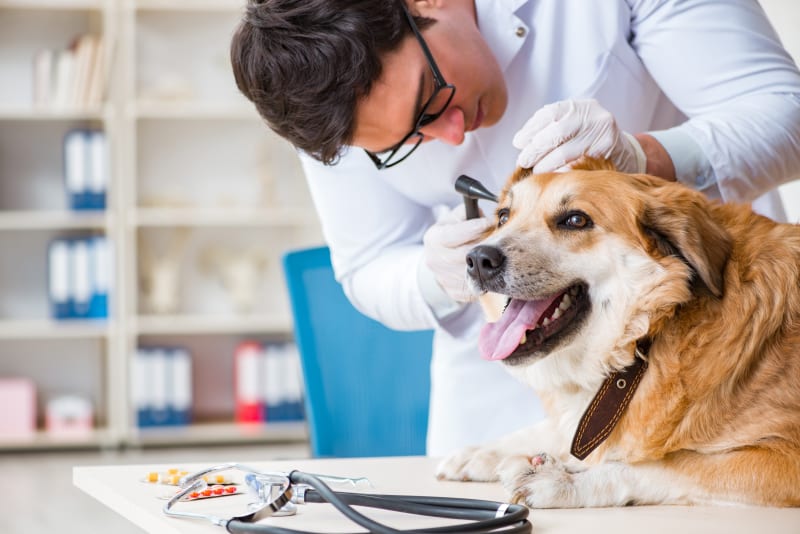
Routine veterinary health checkups are a fundamental part of responsible pet ownership and livestock management. Just as humans require regular medical examinations to maintain good health, animals also need consistent veterinary care to prevent diseases, detect health issues early, and ensure a long, comfortable life. These checkups are not only about treating illness but also about prevention, education, and overall well-being. Whether the animal is a household pet, farm animal, or working companion, routine veterinary visits play a vital role in maintaining optimal health.
Understanding Routine Veterinary Health Checkups
Routine veterinary health checkups are scheduled visits to a licensed veterinarian for a comprehensive assessment of an animal’s physical and sometimes behavioral health. These checkups are usually conducted annually for adult animals, while puppies, kittens, senior pets, and animals with chronic conditions may require more frequent visits. The primary goal is to identify potential health problems before they become serious and to ensure the animal is developing and functioning properly.
During a routine checkup, veterinarians evaluate vital signs, body condition, coat quality, dental health, and organ function. They may also review vaccination status, parasite prevention plans, nutrition, and lifestyle factors. This holistic approach helps ensure that every aspect of the animal’s health is considered.
Importance of Preventive Care
Preventive care is one of the most significant benefits of routine veterinary health checkups. Many diseases and health conditions develop slowly and may not show obvious symptoms in the early stages. Animals are particularly skilled at hiding pain or discomfort, which makes regular examinations even more important.
Through routine checkups, veterinarians can detect early signs of conditions such as heart disease, diabetes, arthritis, kidney problems, dental disease, and infections. Early diagnosis often leads to simpler, less expensive treatments and better long-term outcomes. Preventive care also includes vaccinations, parasite control, and lifestyle guidance, all of which help protect animals from common and potentially life-threatening illnesses.
Physical Examination and Vital Assessments
A routine veterinary health checkup typically begins with a thorough physical examination. The veterinarian checks the animal from head to tail, observing posture, movement, and behavior. Vital signs such as temperature, heart rate, and respiratory rate are measured to ensure they fall within a healthy range.
The veterinarian examines the eyes, ears, nose, and mouth to look for signs of infection, inflammation, or abnormalities. The skin and coat are inspected for parasites, lumps, wounds, or signs of allergies. Palpation of the abdomen helps assess internal organs, while examination of joints and muscles can reveal pain, stiffness, or mobility issues. This hands-on evaluation provides essential information about the animal’s overall condition.
Role of Vaccinations in Routine Checkups
Vaccinations are a critical component of routine veterinary health checkups. They protect animals from contagious and potentially fatal diseases. During a checkup, the veterinarian reviews the animal’s vaccination history and administers necessary booster shots based on age, lifestyle, and risk factors.
Core vaccines are recommended for most animals, while non-core vaccines are given based on exposure risk. Keeping vaccinations up to date not only protects individual animals but also helps prevent the spread of disease within communities. Routine checkups ensure that vaccination schedules are followed correctly and safely.
Parasite Prevention and Control
Parasites such as fleas, ticks, worms, and mites pose serious health risks to animals. Routine veterinary health checkups provide an opportunity to assess parasite exposure and implement effective prevention strategies. Veterinarians may recommend regular deworming, topical treatments, or oral medications to control internal and external parasites.
Parasite prevention is important not only for the animal’s health but also for human safety, as some parasites can be transmitted from animals to people. Through routine checkups, veterinarians educate owners about proper hygiene, environmental control, and consistent preventive care.
Dental Health and Its Impact
Dental health is often overlooked, yet it plays a major role in an animal’s overall well-being. Routine veterinary health checkups include an examination of the teeth and gums to identify plaque buildup, gum disease, broken teeth, or infections. Poor dental health can lead to pain, difficulty eating, and serious systemic infections affecting the heart, liver, and kidneys.
Veterinarians may recommend professional dental cleaning or provide guidance on at-home dental care. Addressing dental issues early helps prevent long-term complications and improves the animal’s quality of life.
Nutrition and Weight Management
Proper nutrition is essential for maintaining good health, and routine veterinary checkups are an ideal time to evaluate an animal’s diet. The veterinarian assesses body condition, weight, and muscle mass to determine whether the animal is underweight, overweight, or at an ideal weight.
Obesity is a common problem in pets and can lead to serious health issues such as diabetes, joint problems, and heart disease. During routine checkups, veterinarians provide personalized dietary recommendations, portion guidelines, and feeding schedules based on the animal’s age, breed, activity level, and health status.
Behavioral and Lifestyle Assessment
Routine veterinary health checkups are not limited to physical health; they also address behavioral and lifestyle factors. Changes in behavior, such as aggression, anxiety, excessive vocalization, or lethargy, can be signs of underlying medical or emotional issues.
Veterinarians discuss the animal’s daily routine, exercise habits, environment, and social interactions. This information helps identify stressors or lifestyle factors that may be affecting health. Behavioral guidance provided during routine checkups can improve both the animal’s well-being and the owner-animal relationship.
Special Considerations for Senior Animals
As animals age, their healthcare needs change. Senior pets and aging livestock require more frequent routine veterinary health checkups to monitor age-related conditions. Arthritis, vision and hearing loss, cognitive changes, and organ dysfunction are common in older animals.
Routine checkups for senior animals often include additional diagnostic tests such as blood work or urine analysis. These tests help detect changes in organ function early, allowing for timely intervention. With proper care and monitoring, senior animals can enjoy a comfortable and active life.
Benefits for Pet Owners and Farmers
Routine veterinary health checkups provide peace of mind for pet owners and farmers alike. Knowing that an animal is healthy or that a condition is being managed effectively reduces stress and uncertainty. These checkups also offer an opportunity for owners to ask questions, discuss concerns, and receive professional advice.
For farmers and livestock owners, routine checkups help maintain herd health, improve productivity, and prevent disease outbreaks. Healthy animals are more efficient, reproduce better, and contribute positively to overall farm operations.
Long-Term Cost Effectiveness
While some may view routine veterinary health checkups as an expense, they are often more cost-effective in the long run. Preventing disease or detecting it early typically costs far less than treating advanced conditions or emergencies. Routine care reduces the likelihood of sudden illness, hospitalization, or complex treatments.
Investing in regular checkups helps avoid unexpected veterinary bills and ensures that animals receive timely care. This proactive approach benefits both the animal’s health and the owner’s financial planning.
Building a Strong Veterinarian-Animal Relationship
Routine veterinary health checkups help build a strong relationship between the veterinarian, the animal, and the owner. Regular visits allow the veterinarian to become familiar with the animal’s normal behavior and health patterns, making it easier to identify changes over time.
For animals, frequent non-emergency visits can reduce fear and anxiety associated with veterinary clinics. A positive relationship improves cooperation during examinations and treatments, leading to better healthcare experiences overall.
Conclusion
Routine veterinary health checkups are an essential part of maintaining animal health, preventing disease, and ensuring a high quality of life. They provide a comprehensive approach to care that includes physical examinations, preventive treatments, nutritional guidance, behavioral assessment, and early disease detection. These checkups benefit animals of all ages and species, from young pets to senior companions and livestock.
By prioritizing routine veterinary health checkups, owners demonstrate commitment, responsibility, and compassion. Regular veterinary care not only extends an animal’s lifespan but also enhances comfort, happiness, and overall well-being. In the long term, routine checkups are an investment in health, trust, and the enduring bond between humans and animals.
