

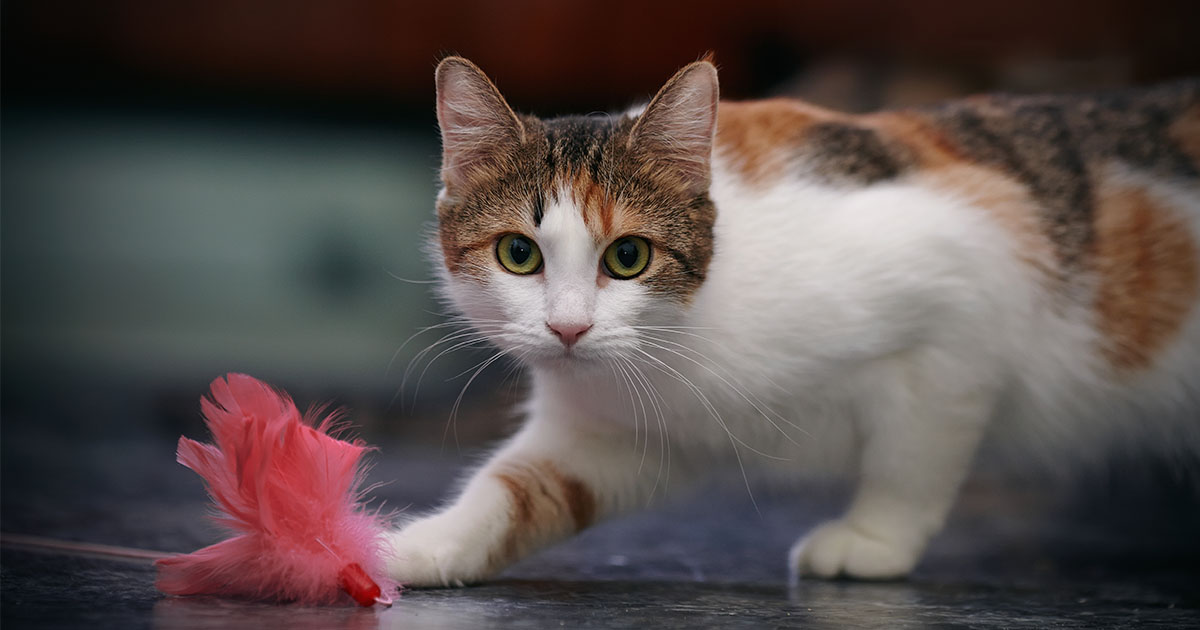
Cats are often thought of as low-maintenance pets, quietly napping in sunny spots or casually exploring the house. However, like any living creature, cats have physical and mental needs that must be met to ensure their health and happiness. One of the most crucial aspects of cat care is providing daily exercise and playtime. Regular physical activity and interactive play not only prevent obesity but also stimulate a cat’s mind, reduce behavioral problems, and strengthen the bond between cat and owner.
In this article, we will explore the importance of daily exercise for cats, the best ways to encourage play, and tips for creating a stimulating environment that meets your feline’s natural instincts.
Why Daily Exercise is Crucial for Cats
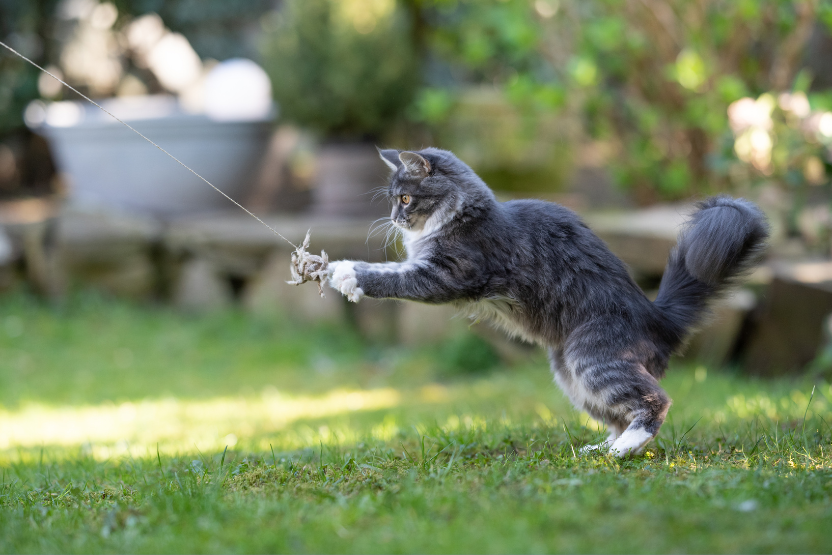
Cats, whether indoor or outdoor, require consistent physical activity to maintain their health. While outdoor cats may naturally get exercise through roaming, climbing, and hunting, indoor cats often face a sedentary lifestyle, which can lead to several health issues.
1. Preventing Obesity
Obesity is a common problem in domestic cats, particularly indoor ones. Excess weight can lead to diabetes, arthritis, heart disease, and a shorter lifespan. Daily exercise helps cats burn calories, maintain a healthy weight, and improve overall body condition.
2. Strengthening Muscles and Bones
Cats are naturally agile and strong. Regular physical activity helps maintain muscle tone, strengthens bones, and supports joint health. Active cats are less likely to develop mobility issues as they age.
3. Promoting Mental Health
Exercise is not just physical; it’s mental too. Cats are natural hunters, and their minds thrive on challenges, problem-solving, and stimulation. Playtime mimics hunting behaviors, providing mental enrichment that keeps your cat engaged and reduces boredom-related behaviors like scratching furniture or excessive meowing.
4. Reducing Stress and Anxiety
A cat that is not sufficiently active may develop stress or anxiety-related behaviors. Interactive play and exercise release pent-up energy, helping cats feel calmer and more content in their environment.
Understanding Your Cat’s Play Style
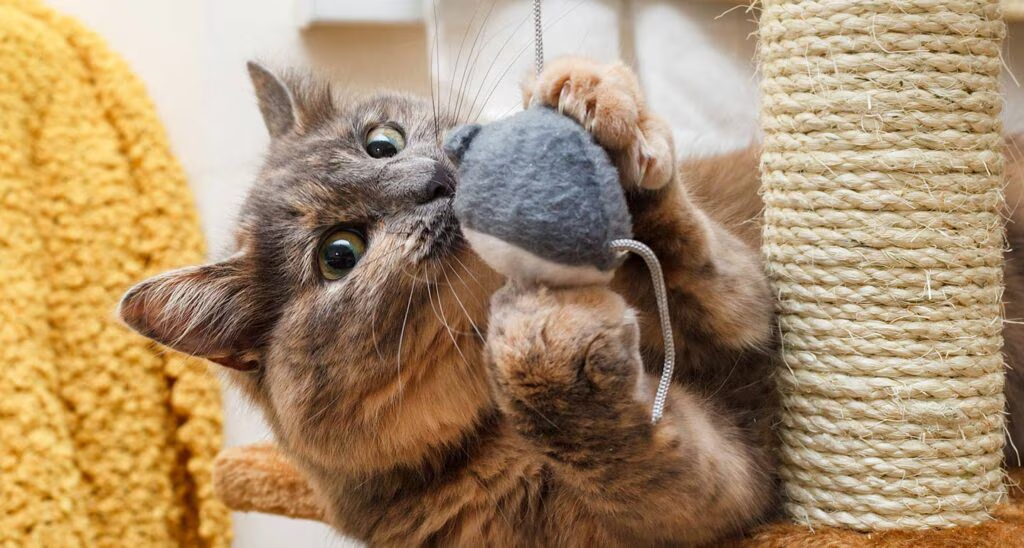
Not all cats play the same way. Understanding your cat’s personality and preferences is key to designing an effective daily exercise routine.
- The Hunter: This cat enjoys chasing, stalking, and pouncing. Toys that mimic prey, such as feather wands or laser pointers, are ideal.
- The Explorer: Curious cats love climbing, jumping, and investigating new areas. Cat trees, tunnels, and interactive puzzles work well.
- The Social Butterfly: Some cats enjoy interactive play with their humans. Games that involve participation, like fetch or chase, are perfect.
- The Solo Player: Some cats prefer independent play. Balls, soft toys, and treat-dispensing toys can keep them entertained without human interaction.
By recognizing your cat’s preferred play style, you can ensure they get the right type of exercise for their physical and mental needs.
Tips for Daily Exercise and Playtime
To keep your cat healthy and happy, it’s important to incorporate exercise into their daily routine. Here are some practical tips:
1. Schedule Regular Play Sessions
Consistency is key. Aim for two to three play sessions per day, each lasting 10 to 15 minutes. Short, frequent play sessions are often more effective than long, occasional ones.
2. Use Interactive Toys
Interactive toys simulate hunting behaviors and keep cats engaged. Examples include:
- Feather wands or fishing-pole style toys
- Laser pointers (used carefully to avoid frustration)
- Small balls or plush toys for chasing
- Treat-dispensing toys or puzzle feeders
Interactive toys encourage cats to jump, pounce, and stalk, mimicking natural behaviors.
3. Encourage Climbing and Exploration
Cats love vertical space. Providing opportunities to climb and explore can be a great form of exercise. Consider:
- Cat trees or shelves
- Window perches
- Cardboard boxes and tunnels
These additions allow your cat to exercise while satisfying their instinct to observe their environment from high vantage points.
4. Rotate Toys and Activities
Cats can become bored with the same toys or routines. Rotate toys every few days to maintain interest and engagement. Novelty encourages cats to explore and be active, reducing sedentary behavior.
5. Engage in “Hunting” Games
Cats are natural predators. Play sessions that mimic hunting can be very satisfying. For example: drag a toy along the floor as if it’s moving prey, hide toys for your cat to find, or toss small balls for them to chase.
6. Provide Opportunities for Solo Play
Even when you are busy, cats can stay active with toys they can use independently. Treat-dispensing toys, balls, and interactive puzzles keep cats mentally and physically engaged while alone.
7. Encourage Outdoor Exercise Safely
If possible, supervised outdoor time can be very enriching. Use a harness and leash, or create a secure outdoor enclosure. Outdoor exploration provides physical exercise and mental stimulation, though it should always be safe and controlled.
Recognizing Signs Your Cat Needs More Exercise
Cats often communicate their needs through behavior. Signs that your cat may need more daily exercise include:
- Weight gain or signs of obesity
- Excessive sleeping or lethargy
- Destructive behaviors such as scratching furniture or knocking objects over
- Over-grooming or obsessive licking
- Restlessness or excessive meowing
If you notice these behaviors, it’s a good indication your cat could benefit from more playtime and physical activity.
Benefits Beyond Physical Health
While physical health is the most obvious benefit of exercise, daily playtime also strengthens the bond between you and your cat. Interactive play allows for positive human-animal interaction, reducing stress for both parties.
Mentally stimulated cats are happier and less prone to anxiety or behavioral issues. Regular play can also reduce aggression, encourage socialization, and increase trust and affection between you and your feline companion.
Creating a Safe and Stimulating Environment
Cats thrive in an environment that allows them to explore, climb, scratch, and play safely. Consider the following elements:
- Scratching posts and pads: Protect furniture and allow cats to stretch and exercise muscles.
- Vertical space: Cat trees, shelves, and perches provide opportunities for climbing and observation.
- Safe toys: Avoid small objects that can be swallowed or strings that can be ingested.
- Interactive puzzles: Challenge your cat’s mind and encourage problem-solving behaviors.
A stimulating environment paired with daily exercise and playtime ensures a happy, healthy, and active cat.
Common Mistakes to Avoid
Even well-meaning cat owners can inadvertently reduce the effectiveness of exercise and play:
- Irregular play sessions: Sporadic playtime is less effective than daily, consistent sessions.
- Over-reliance on food rewards: While treats can be motivating, too many can lead to weight gain.
- Ignoring a cat’s preferences: Forcing a cat to play with a toy they dislike may discourage activity.
- Neglecting mental stimulation: Physical exercise alone is not enough; mental challenges are equally important.
Being attentive to your cat’s needs and adjusting activities accordingly will ensure they benefit from playtime fully.
Conclusion
Daily exercise and playtime are essential for a cat’s physical, mental, and emotional well-being. Regular activity prevents obesity, strengthens muscles and bones, reduces stress, and keeps your cat mentally stimulated. By understanding your cat’s personality, providing interactive toys, scheduling consistent play sessions, and creating a stimulating environment, you can ensure your feline companion thrives.
Cats may nap most of the day, but when they are awake, their bodies and minds need movement and engagement. Investing time in daily exercise and play not only benefits your cat but also strengthens the bond you share, making life together more enjoyable for both of you.
Active, playful, and mentally stimulated cats are happier cats, and happy cats make for a happy home. Ensuring your cat has daily exercise and playtime is one of the best gifts you can give them—a gift that improves health, fosters joy, and keeps your feline friend purring with contentment.
