

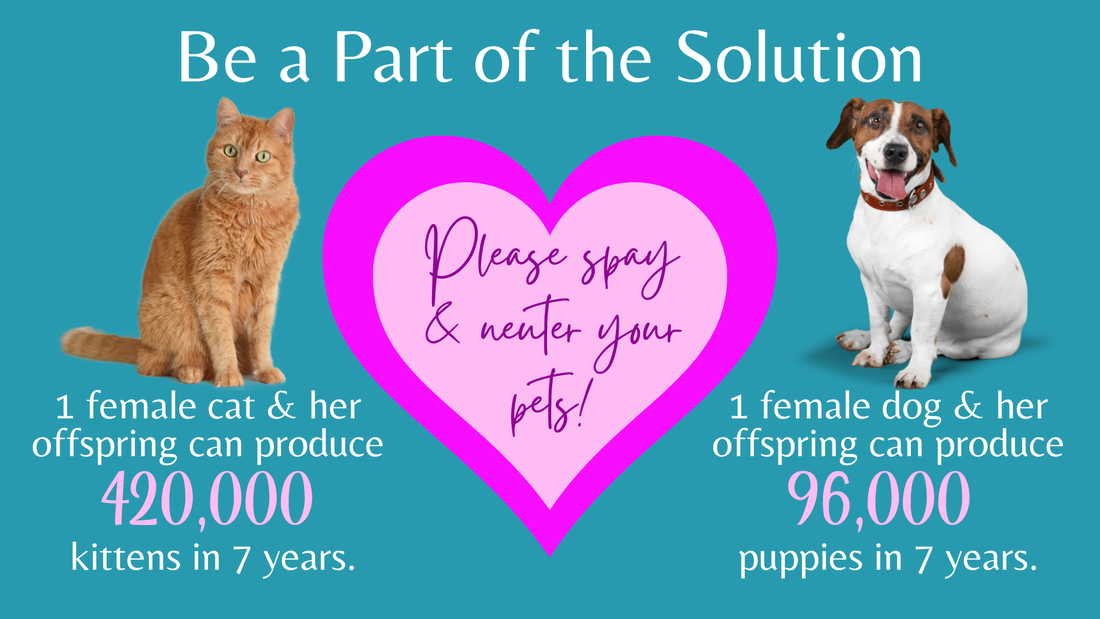
Spaying and neutering are surgical procedures performed on pets, primarily cats and dogs, to prevent them from reproducing. While these terms are often used interchangeably, they refer to slightly different procedures. Spaying refers to the removal of a female animal’s reproductive organs, including the ovaries and usually the uterus, while neutering, often called castration, refers to the removal of a male animal’s testicles. Both procedures are safe, commonly performed by veterinarians, and have profound health, behavioral, and societal benefits.
Why Spaying and Neutering Matter
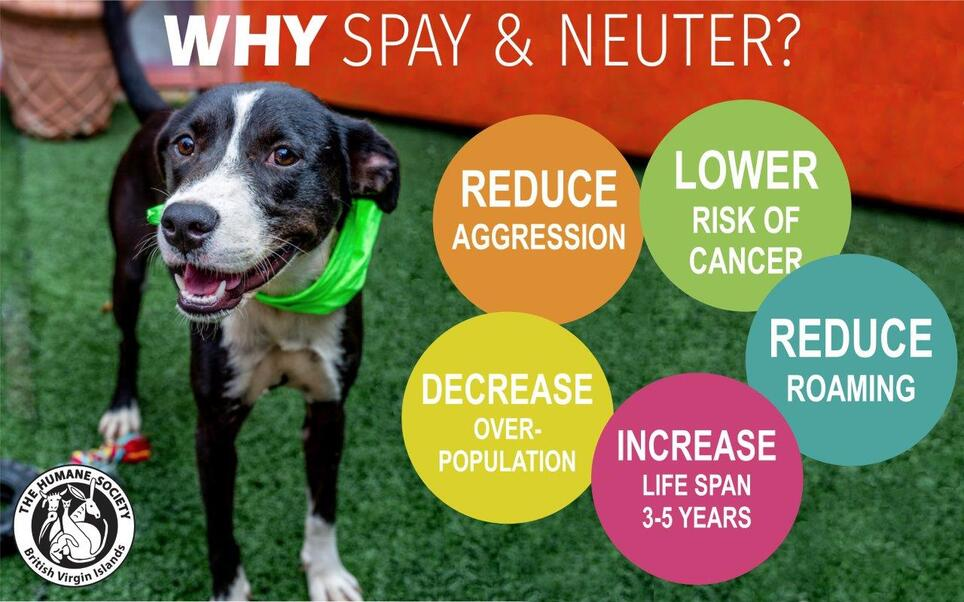
One of the most important reasons to spay or neuter pets is population control. Millions of unwanted animals end up in shelters every year, and many of them face euthanasia due to lack of homes. By spaying or neutering your pet, you help reduce the number of stray and abandoned animals, contributing to a more humane society and fewer animals suffering on the streets.
Health Benefits
Spaying and neutering offer several health advantages for pets. For females, spaying reduces the risk of uterine infections and breast tumors, which are malignant or cancerous in about 50% of dogs and 90% of cats. Spaying also eliminates the risk of pregnancy-related complications.
For males, neutering prevents testicular cancer and some prostate problems. Neutered males are less likely to develop certain aggressive behaviors, such as marking territory with urine or fighting with other animals. Overall, these procedures can extend the life expectancy of pets by reducing the chances of certain diseases and injuries.
Behavioral Benefits
In addition to health benefits, spaying and neutering can positively influence a pet’s behavior. Unneutered male animals are often more aggressive and prone to roaming in search of mates, which can put them at risk of accidents and injuries. Neutering reduces these behaviors, making pets safer and easier to manage.
Female animals also exhibit behavioral changes when spayed. They are less likely to experience mood swings associated with heat cycles, such as excessive vocalization, restlessness, and attempts to escape the home. By spaying or neutering, owners can enjoy a calmer, more predictable, and affectionate companion.
When to Spay or Neuter
The timing of spaying and neutering is an important consideration. Traditionally, veterinarians recommend performing these procedures before a pet reaches sexual maturity, usually around six months of age. However, the ideal age can vary depending on the animal’s breed, size, and overall health. Some studies suggest that early spaying or neutering in small breeds is safe, while larger breeds may benefit from waiting slightly longer to allow for proper skeletal development.
It is crucial to consult a veterinarian to determine the most appropriate time for your pet. Doing so ensures the procedure is both safe and effective, minimizing risks and maximizing benefits.
Myths and Misconceptions
There are several myths surrounding spaying and neutering that can cause confusion or hesitation among pet owners. One common misconception is that spaying or neutering will make a pet lazy or overweight. While metabolism may change slightly, proper diet and exercise can prevent weight gain.
Another myth is that pets should experience one heat cycle before being spayed, which is not medically necessary. In fact, early spaying can reduce the risk of certain cancers and behavioral issues. Understanding the facts about these procedures can help pet owners make informed decisions for the well-being of their animals.
The Procedure
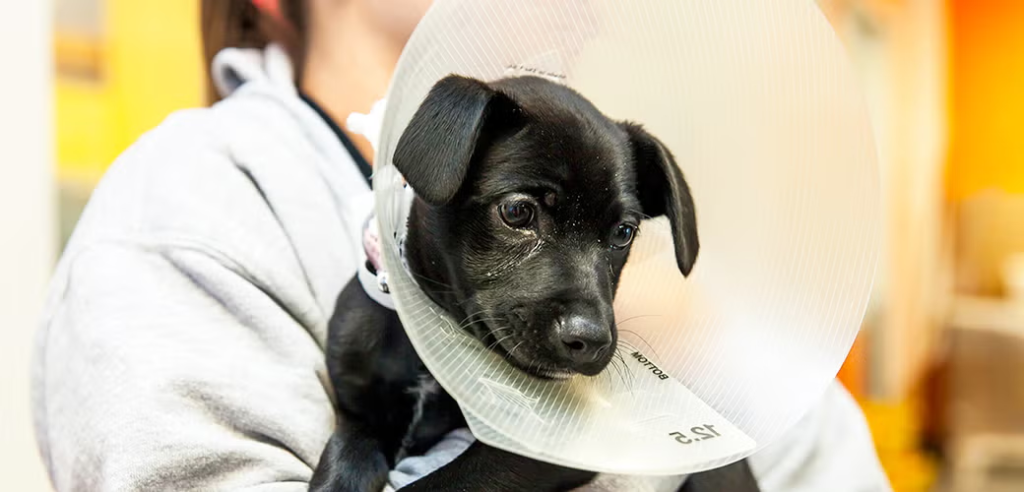
Both spaying and neutering are routine surgical procedures performed under anesthesia. For spaying, the veterinarian makes an incision in the abdomen to remove the ovaries and uterus. For neutering, a small incision is made in the scrotum, and the testicles are removed. The procedures typically take less than an hour, and pets usually recover quickly with proper post-operative care.
Post-surgery, pets may experience mild discomfort, which can be managed with prescribed pain medications. Most animals resume normal activity within a few days, although owners should prevent excessive running or jumping until the incision heals completely. Proper aftercare ensures a smooth recovery and minimizes complications.
Social Responsibility
Spaying and neutering are also acts of social responsibility. By preventing unwanted litters, pet owners help reduce the strain on animal shelters and rescue organizations. Communities benefit when there are fewer stray animals, leading to fewer public health risks, such as the spread of diseases or injuries caused by aggressive animals.
Responsible pet ownership includes providing proper nutrition, regular veterinary care, and preventive measures like spaying and neutering. It demonstrates compassion and accountability while improving the quality of life for pets and humans alike.
Addressing Concerns
Some pet owners worry about the cost of spaying or neutering. While the initial expense may seem significant, it is far less costly than caring for an unexpected litter or treating health complications that arise from unaltered animals. Many communities offer low-cost or subsidized spay and neuter programs, making the procedures accessible to more pet owners.
Another concern is the risk associated with anesthesia and surgery. Modern veterinary medicine has greatly improved the safety of these procedures, and complications are rare. Choosing a qualified veterinarian and following pre- and post-operative instructions can significantly reduce risks.
Conclusion
Spaying and neutering are essential components of responsible pet ownership. These procedures offer numerous health and behavioral benefits while helping control the pet population and reducing suffering. By making the decision to spay or neuter, pet owners not only enhance the quality of life for their animals but also contribute to a healthier, safer community.
Every pet deserves a long, healthy, and happy life. Spaying and neutering are simple yet powerful steps that ensure pets can enjoy just that while preventing countless unwanted animals from facing uncertain futures.
