


Neutering dogs is a common veterinary procedure that involves the surgical removal of a male dog’s testicles or a female dog’s ovaries and uterus. While some pet owners may hesitate due to misconceptions about the procedure, neutering offers numerous benefits for both dogs and their owners. Beyond controlling pet overpopulation, neutering can improve health, behavior, and quality of life for dogs. This article explores the multifaceted advantages of neutering dogs.
1. Helps Control Pet Overpopulation

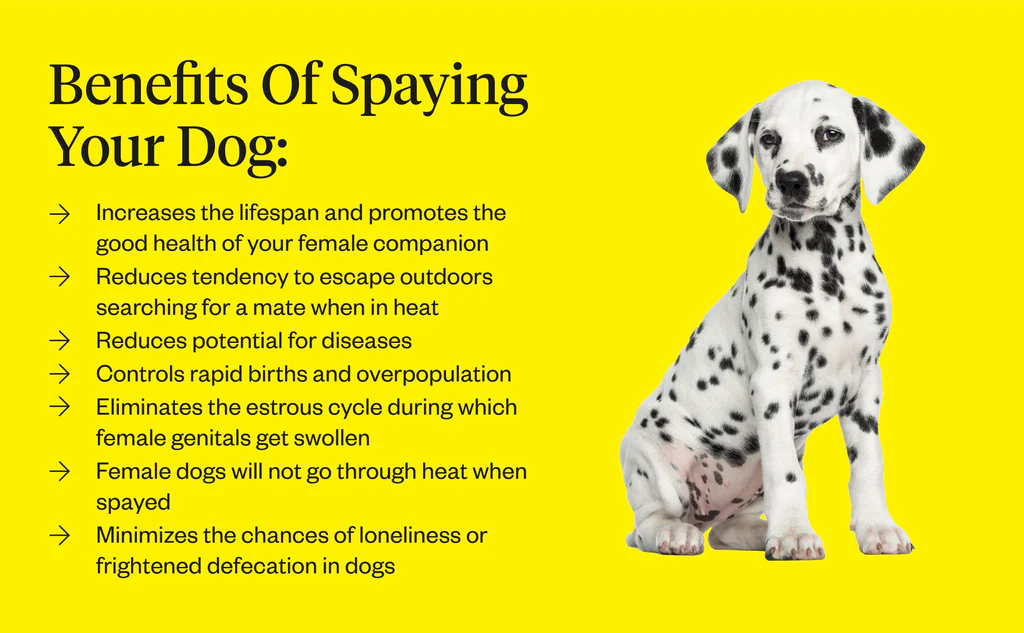
One of the most significant benefits of neutering dogs is its role in controlling pet overpopulation. Millions of dogs end up in shelters each year, and many of them are euthanized due to a lack of homes. Neutering prevents unwanted litters, reducing the number of stray and abandoned dogs. By controlling reproduction, neutering helps ensure that every dog has a better chance of finding a loving home and living a healthy, safe life.
2. Reduces the Risk of Certain Cancers
Neutering has notable health benefits. In male dogs, neutering eliminates the risk of testicular cancer, which can be life-threatening if left untreated. In female dogs, spaying reduces the risk of ovarian and uterine cancers. Moreover, neutering female dogs before their first heat cycle can drastically reduce the likelihood of developing mammary gland tumors, which are among the most common cancers in unspayed female dogs. Early neutering, therefore, can significantly improve a dog’s long-term health and longevity.
3. Prevents Unwanted Behaviors
Neutering can also positively impact a dog’s behavior. Unneutered male dogs often exhibit aggressive tendencies, such as fighting with other males, marking territory, and roaming in search of a mate. Neutering reduces these behaviors, making dogs calmer and more manageable. Female dogs in heat may display mood swings, vocalizations, and attempts to escape to find a mate. Spaying eliminates the hormonal changes associated with heat cycles, resulting in fewer behavior-related challenges for owners.
4. Reduces Risk of Certain Infections
Neutering dogs can prevent infections that result from reproductive organs. Female dogs that are not spayed are at risk of developing pyometra, a severe uterine infection that can be fatal without emergency surgery. Neutering eliminates the possibility of this infection entirely. Male dogs are less prone to reproductive infections after neutering, and their risk of prostate disease is also reduced. Overall, neutering contributes to better long-term reproductive health.
5. Supports Longevity
Neutered dogs often live longer than their unneutered counterparts. By reducing the risk of cancer, infections, and dangerous behaviors such as roaming or fighting, neutering contributes to a safer, healthier life. Studies have shown that neutered dogs generally have longer lifespans because they are less likely to suffer from preventable illnesses and accidents. Pet owners can enjoy more years with their furry companions when they choose to neuter their dogs.
6. Helps With Weight and Metabolism Management
Neutering can influence a dog’s metabolism and appetite. While some dogs may gain weight after neutering, the procedure can make managing their diet and exercise easier because neutered dogs tend to be calmer and less active in ways that lead to risk-taking behaviors. By working closely with a veterinarian to monitor food intake and maintain regular exercise, neutered dogs can achieve a healthy weight and prevent obesity-related conditions, such as diabetes and joint problems.
7. Prevents Stray and Aggressive Dog Encounters
Neutered dogs are less likely to roam in search of a mate, which reduces the risk of them getting lost, hit by vehicles, or involved in fights with other animals. This not only protects the neutered dog but also reduces encounters with stray or aggressive dogs. Communities benefit from fewer stray dogs, which helps prevent public health issues and decreases dog-related accidents or conflicts.
8. Promotes Better Socialization
Neutering can improve social behavior in dogs. Since neutered dogs are often less aggressive and territorial, they are more likely to interact positively with other dogs and humans. This can be especially beneficial in multi-dog households or for owners who frequently take their dogs to parks and social settings. A dog that is calm and well-socialized is not only easier to manage but also experiences less stress and anxiety.
9. Cost-Effective in the Long Run
While neutering involves an upfront cost, it can save money over time. Treating reproductive-related illnesses, dealing with unexpected litters, and addressing behavioral problems can be far more expensive than the initial neutering procedure. By investing in neutering, pet owners can avoid costly veterinary treatments and reduce the financial and emotional strain associated with unplanned puppies or health complications.
10. Environmental Benefits
Neutering dogs also has indirect benefits for the environment. Fewer stray and abandoned dogs mean reduced pressure on shelters and less competition for resources in communities. Additionally, controlling the dog population helps maintain ecological balance by reducing the predation of wildlife by uncontrolled dog populations. In this way, neutering contributes to both humane treatment of animals and environmental sustainability.
11. Emotional and Psychological Benefits for Owners
Neutering a dog often leads to a more predictable and manageable pet, which can reduce stress and anxiety for owners. Dogs that do not roam, fight, or exhibit aggressive sexual behaviors are easier to integrate into family life. Owners can enjoy a stronger bond with their pets, knowing that they are healthy, safe, and less likely to engage in problematic behaviors. This emotional stability benefits both dogs and their human companions.
12. Timing Matters
The benefits of neutering can vary depending on the age and health of the dog at the time of surgery. Veterinarians often recommend neutering dogs before they reach sexual maturity, typically around six to twelve months of age. Early neutering can maximize health benefits and prevent unwanted behaviors from developing. However, decisions about timing should always be discussed with a veterinarian to ensure the best outcome for the individual dog.
Conclusion
Neutering dogs offers a wide array of benefits, from health improvements to behavioral management and population control. It reduces the risk of certain cancers, prevents dangerous and unwanted behaviors, supports longer lifespans, and contributes to a safer community environment. While the decision to neuter a dog is personal and should be made in consultation with a veterinarian, the evidence overwhelmingly shows that neutering enhances the well-being of both dogs and their owners. By choosing to neuter, pet owners invest in the health, happiness, and safety of their beloved companions while making a positive impact on the broader community.
