

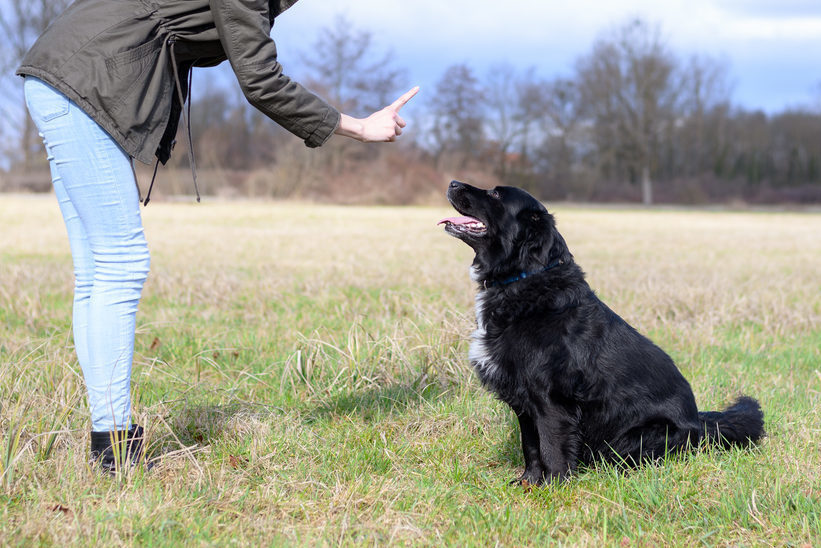
Pets are more than just animals; they are family members who bring joy, companionship, and unconditional love into our lives. However, having a pet comes with responsibility. One of the most crucial aspects of responsible pet ownership is training. Training is not merely about teaching pets to obey commands; it is about shaping their behavior, ensuring their safety, and strengthening the bond between pet and owner.
Understanding Pet Behavior
Before starting any training, it is essential to understand pet behavior. Animals communicate differently than humans, relying on body language, vocalizations, and instinctual cues. For example, a wagging tail in dogs may indicate excitement, happiness, or anxiety depending on the context, while a cat’s slow blinking can show trust. Observing these behaviors helps owners respond appropriately and design effective training strategies.
Pets, like humans, have individual personalities. Some may be naturally obedient, while others may be stubborn or easily distracted. Recognizing these traits is the first step toward tailoring a training plan that fits your pet’s unique temperament.
The Importance of Training
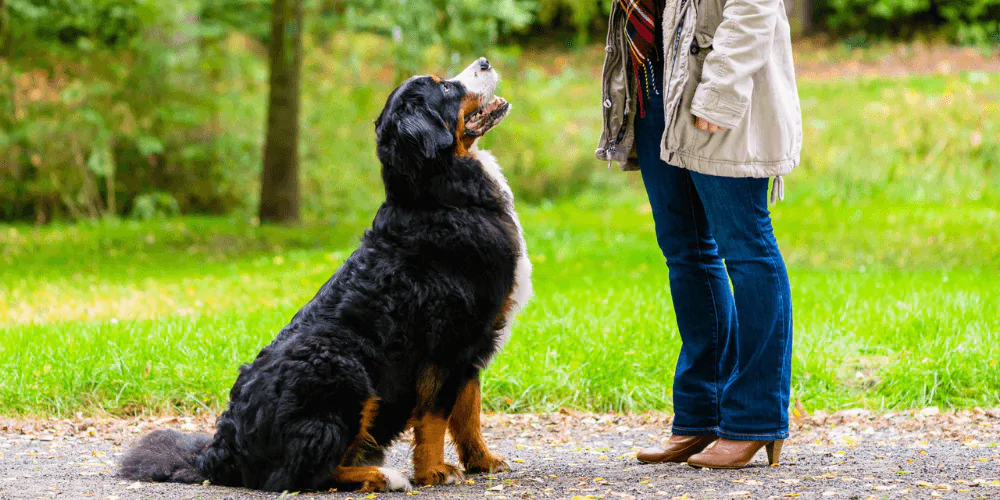
Training pets goes beyond teaching commands like “sit” or “stay.” It is about guiding them toward appropriate behaviors that make coexisting with humans safer and more harmonious. Well-trained pets are less likely to exhibit destructive behaviors, reduce stress in the household, and prevent accidents. For instance, a dog trained to walk on a leash is less likely to dart into traffic, and a cat trained to use a scratching post avoids damaging furniture.
Training also plays a vital role in socialization. Pets interact with other animals and humans daily, and positive interactions are often a result of proper behavioral training. Socialized pets are generally more confident, less fearful, and easier to manage in public spaces.
Principles of Effective Pet Training
Effective training relies on several fundamental principles:
1. Consistency
Consistency is key in teaching pets appropriate behavior. Using the same commands, tone, and expectations helps pets understand what is required of them. Inconsistent instructions confuse pets and may slow down the learning process.
2. Positive Reinforcement
Positive reinforcement involves rewarding desired behaviors instead of punishing undesirable ones. Rewards can include treats, praise, toys, or affection. This method encourages pets to repeat good behaviors willingly. For example, giving a dog a treat for sitting on command reinforces the behavior in a positive way.
3. Patience
Patience is crucial when training pets. Learning new behaviors takes time, and pets may not respond immediately. Owners should remain calm and persistent, breaking tasks into small, manageable steps.
4. Short Training Sessions
Pets, especially young animals, have short attention spans. Training sessions should be brief but frequent, usually lasting five to fifteen minutes. Multiple short sessions throughout the day are often more effective than one long session.
5. Clear Communication
Clear communication ensures that pets understand what is expected. Using simple, consistent commands and gestures helps pets make connections between actions and outcomes. Avoid mixed signals, as they can confuse pets and hinder progress.
Training Techniques for Dogs
Dogs are highly social animals that respond well to training. Some common techniques include:
1. Obedience Training
Obedience training focuses on basic commands such as sit, stay, come, and heel. These commands form the foundation for good behavior and make daily interactions smoother.
2. Crate Training
Crate training teaches dogs to view a crate as a safe space. It helps with housebreaking, prevents destructive behaviors when unsupervised, and provides a secure retreat for the dog.
3. Leash Training
Leash training ensures dogs can walk safely without pulling or lunging. It enhances control during walks and reduces the risk of accidents.
4. Socialization
Exposing dogs to different people, animals, environments, and sounds helps them develop confidence and reduces fear-based reactions. Socialized dogs are generally more relaxed and adaptable.
Training Techniques for Cats
Cats are often perceived as independent, but they too can benefit from training:
1. Litter Box Training
Litter box training is essential for maintaining hygiene in the household. Most cats learn this naturally, but reinforcement through praise and placement of the litter box is important.
2. Scratching Behavior
Redirecting scratching from furniture to appropriate surfaces like scratching posts or pads helps prevent damage and satisfies a cat’s natural instincts.
3. Clicker Training
Clicker training uses a small device that makes a distinct sound to mark desired behaviors. When paired with treats, cats quickly learn to associate the sound with rewards, making it an effective training tool.
4. Leash Training
While less common, some cats can be trained to walk on a leash. Gradual exposure to a harness and positive reinforcement can help adventurous cats enjoy safe outdoor exploration.
Dealing with Common Behavioral Problems
Training is not only about teaching commands but also about correcting undesirable behaviors. Common issues include:
- Excessive Barking: Often a sign of boredom, fear, or attention-seeking. Addressing the root cause and providing alternative behaviors can reduce barking.
- Chewing: Puppies and young dogs chew to relieve teething pain or boredom. Providing chew toys and supervised playtime can prevent damage.
- Aggression: Aggressive behavior may stem from fear, territorial instincts, or lack of socialization. Professional guidance and gradual desensitization are often necessary.
- House Soiling: Consistency in potty training, rewards, and monitoring schedules help prevent accidents.
Building a Strong Bond Through Training
Training is not just about control; it strengthens the emotional bond between pets and owners. Spending time teaching and rewarding pets enhances trust, communication, and mutual respect. Pets that feel secure and understood are happier and more affectionate, creating a positive cycle of behavior and interaction.
The Role of Professional Trainers
While many training tasks can be handled at home, professional trainers provide valuable expertise for complex issues. Trainers use evidence-based methods, assess individual pet personalities, and offer guidance for persistent behavioral problems. Choosing a trainer who uses humane, reward-based methods ensures that pets learn effectively without fear or stress.
Training Across the Lifespan
Training is not limited to puppies or kittens. Adult pets can learn new behaviors, correct existing problems, and adapt to changes in their environment. The key is understanding their learning capacity, using positive reinforcement, and remaining consistent. Even senior pets benefit from mental stimulation through training, which keeps them active and engaged.
Conclusion
Training pets to exhibit appropriate behavior is a cornerstone of responsible pet ownership. It ensures safety, enhances socialization, prevents destructive habits, and fosters a deep bond between pets and their human companions. By understanding pet behavior, applying consistent techniques, and using positive reinforcement, owners can guide their pets toward behaviors that enrich both the pet’s life and the household environment.
Investing time, patience, and love into training is never wasted. A well-trained pet is a happy, confident, and cherished member of the family, capable of bringing joy and companionship for years to come.
