

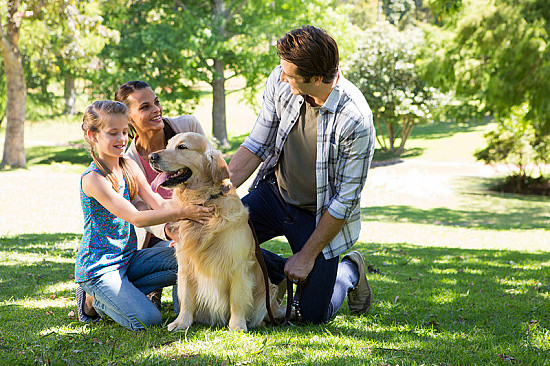
Socialization is a fundamental aspect of life, not just for humans but for all social creatures. At its core, socialization refers to the process through which individuals interact, communicate, and form relationships with others. These interactions are crucial for emotional, psychological, and behavioral development. While much attention is often given to human socialization, the interactions between animals and humans are equally fascinating and impactful. This article explores the concept of socialization in detail, focusing on interactions with both other animals and humans.
Understanding Socialization

Socialization can be defined as the process by which an individual learns and adapts to the norms, behaviors, and expectations of their social environment. In humans, this includes learning language, social norms, cultural values, and interpersonal skills. In animals, socialization is the process through which they develop the necessary skills to survive, communicate, and coexist with others in their environment.
For both humans and animals, socialization is not merely a passive process. It involves active engagement and learning from interactions. These experiences shape behavior, influence emotional well-being, and contribute to cognitive development. The significance of socialization cannot be overstated, as it forms the foundation for relationships, communication, and overall social competence.
Socialization in Humans
Early Social Development
In humans, socialization begins almost immediately after birth. Infants rely on caregivers for survival, but these interactions also lay the groundwork for emotional bonding, trust, and attachment. Early social experiences with parents, siblings, and peers are critical for developing social skills. For instance, when a baby smiles and receives a smile in return, it learns the basics of communication and emotional reciprocity.
As children grow, socialization expands to include interactions with teachers, friends, and community members. Play is an essential component of this stage, allowing children to practice cooperation, negotiation, and conflict resolution. Through these interactions, children learn to understand social cues, express themselves appropriately, and develop empathy.
Adult Socialization
Socialization does not end in childhood. Adults continue to engage in social learning through workplaces, friendships, romantic relationships, and community involvement. Social networks play a vital role in emotional support, personal growth, and mental health. Positive interactions foster a sense of belonging and enhance overall well-being, while negative social experiences can lead to stress, anxiety, and social withdrawal.
The Role of Culture and Society
Culture significantly influences socialization. Social norms, traditions, and values guide how individuals interact with others. For example, collectivist societies emphasize community and cooperation, whereas individualistic societies may prioritize personal achievement and independence. Understanding these cultural influences is essential for effective communication and meaningful social interactions.
Socialization in Animals
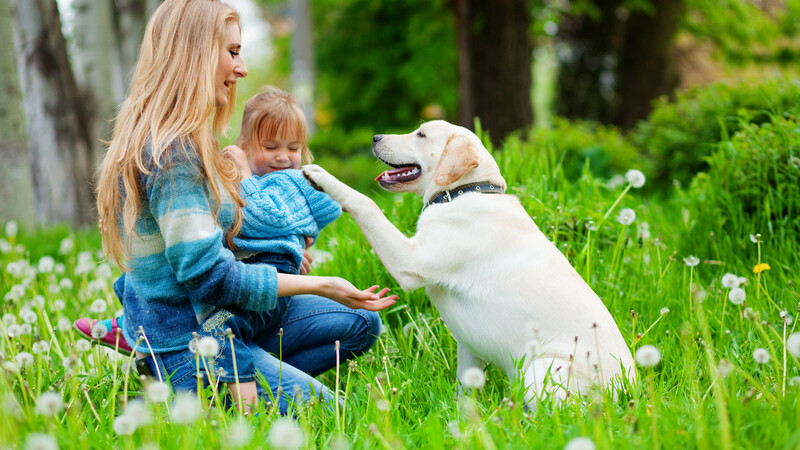
Socialization is equally important in the animal kingdom. Animals, like humans, rely on interactions with others to survive, reproduce, and thrive. Socialization helps animals learn essential skills such as communication, hunting, mating, and establishing hierarchies within groups.
Interaction with Other Animals
Social behavior in animals varies widely across species. Some animals, like wolves and elephants, live in complex social structures where cooperation is key to survival. Young animals learn crucial behaviors by observing and interacting with older, more experienced members of the group. For instance, wolf pups learn hunting techniques and social etiquette through play and imitation.
Socialization also involves establishing bonds and hierarchies. In many species, individuals engage in grooming, playing, and cooperative activities that strengthen group cohesion. Social learning allows animals to adapt to their environment, respond to threats, and communicate effectively within their social groups.
Interaction with Humans
The relationship between humans and animals provides a unique aspect of socialization. Domesticated animals, such as dogs and cats, often form deep emotional bonds with their human caregivers. Early exposure to humans, combined with positive reinforcement, helps animals become well-adjusted, friendly, and confident.
Socialization with humans can also influence an animal’s behavior in broader contexts. For example, dogs that are regularly exposed to other people, animals, and various environments tend to be more adaptable, less fearful, and easier to train. Similarly, farm animals, zoo animals, and service animals benefit from careful socialization, which promotes cooperation, reduces stress, and enhances overall welfare.
Importance of Early Socialization
For both animals and humans, early socialization is critical. In animals, there is often a sensitive period during which exposure to new experiences, environments, and companions has the most significant impact. For instance, puppies that are not exposed to humans or other dogs during the early weeks of life may develop fear or aggression later on. Similarly, young children who lack social interaction may struggle with communication, empathy, and emotional regulation.
Early socialization provides the foundation for positive behavior, adaptability, and resilience. It also helps prevent future behavioral problems, fosters trust, and encourages healthy relationships. For humans and animals alike, socialization is a lifelong process, but the early years are particularly influential.
Benefits of Socialization
Socialization offers numerous benefits for both humans and animals, affecting emotional, cognitive, and physical well-being.
- Emotional Development: Interaction with others promotes empathy, emotional regulation, and a sense of security. Animals and humans alike benefit from companionship and emotional support.
- Cognitive Growth: Social interactions stimulate learning, problem-solving, and communication skills. Observing and engaging with others allows individuals to acquire new behaviors and knowledge.
- Behavioral Adaptation: Socialized individuals are better equipped to navigate their environment. Animals learn survival skills, while humans develop the ability to form and maintain relationships.
- Health and Well-Being: Positive social interactions reduce stress, enhance immune function, and promote overall mental health. Loneliness or lack of socialization can lead to negative outcomes such as anxiety, depression, or behavioral issues.
- Building Cooperation and Teamwork: Socialized individuals learn to work together, share resources, and resolve conflicts. In animals, this promotes group survival; in humans, it strengthens communities and organizations.
Challenges in Socialization
While socialization is essential, it is not without challenges. Both humans and animals may experience difficulties that hinder social development.
- Isolation: Lack of interaction can lead to social anxiety, fear, or aggression. For animals, prolonged isolation may result in maladaptive behaviors or reduced social competence.
- Negative Experiences: Traumatic interactions can create distrust, fear, or avoidance behaviors. Both humans and animals may require time and support to overcome such experiences.
- Cultural or Environmental Barriers: Differences in social norms, language, or environment can complicate socialization. Animals may struggle to adapt to human environments if not properly guided, and humans may face social challenges in unfamiliar cultural contexts.
Encouraging Healthy Socialization
Promoting healthy socialization involves creating safe, supportive, and positive environments for interaction.
- For Humans: Encouraging play, group activities, education, and community involvement fosters social skills. Parents, educators, and caregivers play a crucial role in guiding and modeling positive interactions.
- For Animals: Gradual exposure to different people, animals, and environments, combined with positive reinforcement, encourages confident and well-adjusted behavior. Consistency, patience, and observation are key to effective socialization.
Socialization is not a one-size-fits-all process. Each individual, whether human or animal, has unique personality traits, temperaments, and social needs. Understanding and respecting these differences is essential for fostering meaningful relationships.
Conclusion
Socialization, the interaction with other animals and humans, is a cornerstone of healthy development, adaptation, and well-being. From the earliest days of life, social experiences shape emotional, cognitive, and behavioral growth. Humans and animals alike benefit from companionship, communication, and cooperation. Positive socialization fosters empathy, resilience, and the ability to navigate complex social environments, while negative or insufficient socialization can lead to challenges and maladaptive behaviors.
Whether through play, learning, observation, or direct interaction, socialization is a lifelong process that enriches lives, strengthens relationships, and contributes to overall happiness and fulfillment. By understanding and supporting socialization, we can ensure healthier, more connected, and emotionally balanced lives for both humans and animals.
