


Pets are more than just animals in our homes—they are companions, family members, and friends. Just like humans, pets require proper nutrition to maintain good health, energy, and longevity. Providing the right diet is not only a matter of keeping them alive but ensuring they thrive. Pet nutrition plays a crucial role in preventing diseases, promoting healthy growth, and supporting mental well-being. Understanding the fundamentals of pet nutrition and feeding can help owners make informed choices and give their pets a better quality of life.
Understanding Pet Nutrition
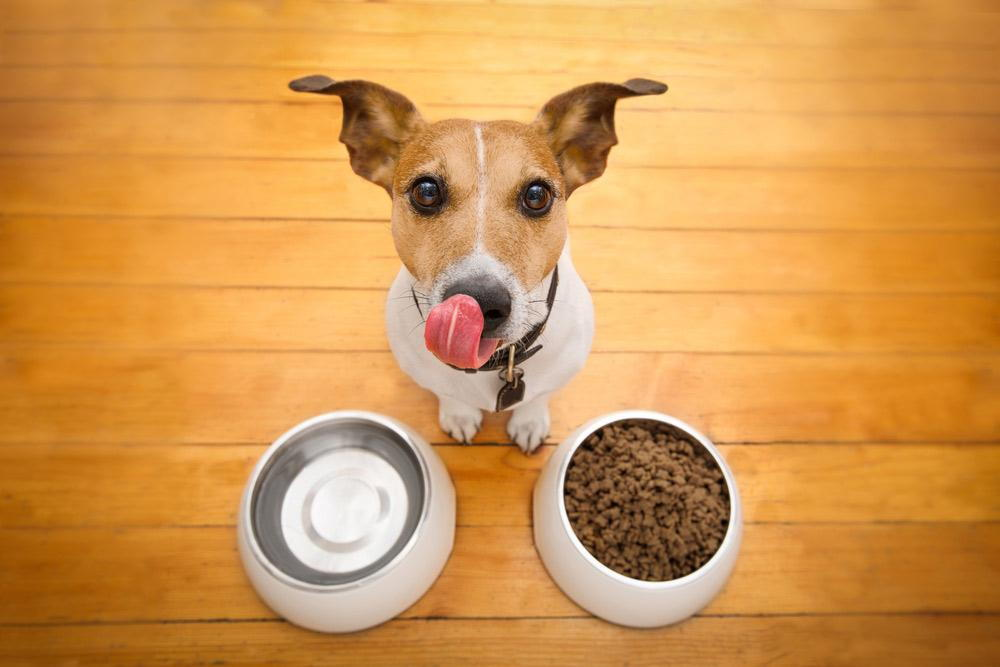
Pet nutrition refers to the process of providing balanced nutrients to pets to meet their physical and physiological needs. Different types of pets—dogs, cats, birds, rabbits, and other small animals—have distinct dietary requirements. Nutritional needs vary based on age, size, breed, activity level, and health status. Feeding a pet incorrectly can lead to malnutrition, obesity, or other health complications. Therefore, it is essential to understand the key components of a balanced pet diet.
Essential Nutrients for Pets
A balanced diet for pets should include proteins, carbohydrates, fats, vitamins, minerals, and water. Each nutrient plays a unique role in maintaining overall health.
- Proteins: Proteins are the building blocks of life and are essential for growth, tissue repair, and immune function. Pets, especially cats and dogs, require high-quality protein from sources like meat, fish, and eggs. Protein deficiency can lead to weakness, poor coat condition, and stunted growth.
- Carbohydrates: Carbohydrates provide energy and support digestive health. Whole grains, vegetables, and some fruits are good sources. While dogs can digest carbohydrates efficiently, cats are obligate carnivores and require fewer carbs in their diet.
- Fats: Healthy fats are crucial for energy, brain function, and a shiny coat. Omega-3 and Omega-6 fatty acids are particularly important for reducing inflammation and promoting skin health. Fats also help absorb fat-soluble vitamins like A, D, E, and K.
- Vitamins and Minerals: Vitamins like A, D, E, K, and B-complex play multiple roles in metabolism, vision, and immunity. Minerals such as calcium, phosphorus, and potassium support strong bones, nerve function, and fluid balance. Deficiencies or excesses of vitamins and minerals can lead to serious health problems.
- Water: Water is often overlooked but is vital for hydration, digestion, and temperature regulation. Pets should always have access to clean, fresh water. Dehydration can quickly become life-threatening.
Diet Requirements by Pet Type
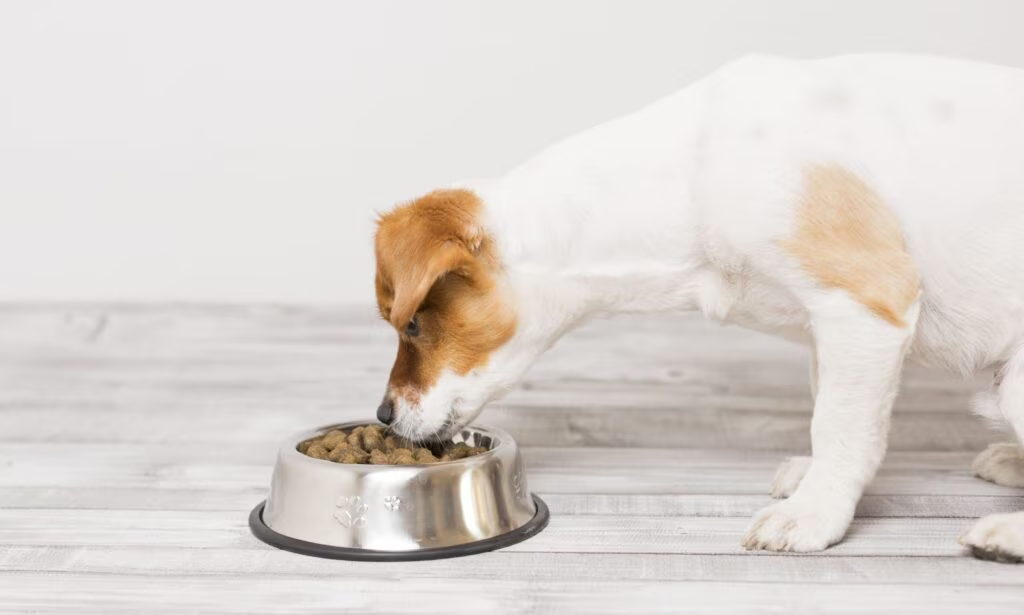
Different pets have distinct nutritional needs, and feeding strategies should be tailored accordingly.
Dogs
Dogs are omnivores, which means they can digest both plant and animal-based foods. A healthy dog diet should include:
- High-quality protein (chicken, beef, fish, eggs)
- Moderate carbohydrates (rice, oats, vegetables)
- Healthy fats (fish oil, flaxseed)
- Essential vitamins and minerals
- Fresh water
Puppies require more protein and calories for growth, while older dogs may need lower-calorie diets to prevent obesity. Avoid feeding dogs chocolate, onions, garlic, and artificial sweeteners as these are toxic to them.
Cats
Cats are obligate carnivores, meaning they require a diet primarily made of meat. Key dietary considerations include:
- High protein content from meat or fish
- Taurine, an essential amino acid for heart and eye health
- Moderate fat levels for energy
- Limited carbohydrates
- Fresh water
Cats are prone to urinary tract issues if they do not drink enough water. Wet food can help maintain hydration.
Small Mammals (Rabbits, Guinea Pigs, Hamsters)
Small mammals need fiber-rich diets to support digestive health. For example:
- Rabbits need hay as the main diet, along with fresh vegetables and a small amount of pellets.
- Guinea pigs require vitamin C in their diet as they cannot synthesize it naturally.
- Hamsters eat a mix of seeds, grains, vegetables, and occasional protein treats.
Birds
Birds have varied diets depending on species. Most birds need:
- Seeds and grains
- Fresh fruits and vegetables
- Adequate protein (for certain species)
- Access to clean water at all times
A poor diet can lead to feather plucking, reduced lifespan, and weakened immunity.
Feeding Practices
Proper feeding is as important as the diet itself. Overfeeding or underfeeding can cause health issues.
Portion Control
Determining the correct portion depends on the pet’s age, weight, activity level, and metabolism. Overfeeding can lead to obesity, joint problems, and diabetes, while underfeeding can cause malnutrition and stunted growth.
Meal Frequency
- Puppies and kittens: 3–4 meals per day
- Adult dogs and cats: 1–2 meals per day
- Small mammals: Frequent small meals with fresh water
- Birds: Multiple small meals or free feeding depending on species
Food Quality and Safety
Always choose high-quality pet food and check ingredients for nutritional balance. Avoid feeding pets spoiled, moldy, or toxic food. Homemade diets should be planned carefully to ensure complete nutrition.
Treats and Snacks
Treats can be used for training or occasional rewards but should not exceed 10% of daily caloric intake. Opt for healthy treats like small pieces of fruit, vegetables, or specially formulated pet snacks.
Special Dietary Needs
Some pets have specific dietary requirements due to age, health conditions, or breed-specific issues.
- Senior pets: Require lower calories, more fiber, and joint-supporting nutrients.
- Pets with allergies: May need hypoallergenic or limited-ingredient diets.
- Pets with kidney or liver problems: Require low-protein or low-sodium diets as prescribed by a veterinarian.
- Obese pets: Benefit from weight management diets with controlled calories and increased fiber.
Always consult a veterinarian before changing your pet’s diet, especially for pets with health issues.
Common Mistakes in Pet Feeding
Many pet owners unintentionally harm their pets with improper feeding practices. Common mistakes include:
- Feeding table scraps: Human food is often high in fat, sugar, or salt, which can be harmful.
- Overfeeding: Leads to obesity, diabetes, and heart problems.
- Ignoring water intake: Dehydration can cause kidney and urinary issues.
- Using inappropriate pet food: Puppies, adult dogs, and senior dogs require different nutrient ratios.
- Not monitoring weight: Regular check-ups and weight monitoring are essential.
Signs of Poor Nutrition
It’s important to observe pets for signs that their diet may be inadequate:
- Dull or brittle coat
- Weight gain or loss
- Low energy levels
- Digestive issues (vomiting, diarrhea, constipation)
- Behavioral changes
- Frequent illness or slow recovery
If any of these signs are noticed, it’s important to consult a veterinarian and review the pet’s diet.
Tips for Ensuring Proper Nutrition
- Balanced Diet: Ensure the diet includes all essential nutrients in the right proportions.
- Consult Professionals: Regularly check with a veterinarian for dietary advice.
- Age-Appropriate Food: Adjust the diet according to life stage and breed.
- Hydration: Always provide fresh, clean water.
- Avoid Toxic Foods: Chocolate, onions, grapes, certain nuts, and artificial sweeteners can be harmful.
- Monitor Weight and Health: Regularly track your pet’s weight, coat condition, and overall health.
- Consider Supplements: Only if recommended by a veterinarian, such as fish oil for skin health or glucosamine for joint support.
Conclusion
Proper pet nutrition is the foundation of a healthy and happy life for pets. Feeding the right diet, providing essential nutrients, and following appropriate feeding practices can prevent many health issues and improve longevity. Every pet is unique, and dietary plans should be customized to their specific needs. By understanding pet nutrition and committing to responsible feeding habits, owners can ensure their pets not only survive but thrive, creating a strong and rewarding bond that lasts for years.
