


Aggression in pets is one of the most concerning behaviors for pet owners. It can range from mild irritability to full-blown attacks, and understanding the signs of aggression is essential for ensuring the safety of both humans and animals. Aggression is not always about a pet being “bad” or “mean”; it often stems from fear, pain, frustration, or territorial instincts. Recognizing the early warning signs can prevent escalation and help in managing the behavior effectively.
Understanding Aggression in Pets
Aggression in pets is a behavioral response that can be triggered by various factors. It is generally categorized into several types based on the cause and expression of the behavior. Understanding these categories can help pet owners identify the root cause and respond appropriately.
Types of Aggression
- Fear-Based Aggression:
This occurs when a pet feels threatened or cornered. Fearful pets may growl, snap, or even bite to protect themselves. Common triggers include unfamiliar people, other animals, or sudden loud noises. - Territorial Aggression:
Pets may show aggression to protect their perceived territory, which can be their home, yard, or even a favorite resting spot. Territorial aggression is common in dogs but can also be observed in cats. - Possessive Aggression:
Also known as resource guarding, this happens when a pet defends items like food, toys, or even a person they consider theirs. Pets may growl, snap, or lunge to protect these resources. - Pain-Induced Aggression:
If a pet is in pain due to injury or illness, it may lash out when touched or approached. This type of aggression is particularly common in older animals or those recovering from medical conditions. - Redirected Aggression:
This occurs when a pet is unable to reach the intended target of its frustration and directs its aggression toward another nearby individual, animal, or object. - Play-Related Aggression:
Sometimes what appears as aggressive behavior is simply rough play, especially in puppies and kittens. However, this can escalate if not properly managed.
Common Signs of Aggression

Identifying aggression early is crucial. Pets usually give subtle warning signs before escalating to attacking behavior. Understanding these signals can prevent injuries and help in addressing the underlying cause.
Body Language Cues
- Stiff Posture:
An aggressive pet often holds its body rigidly. A stiff, tense posture indicates that the pet is on high alert and may be ready to attack. - Raised Hackles:
In dogs, raised hair along the back and neck is a clear sign of agitation or fear. This response makes them appear larger and more threatening to potential threats. - Ears Position:
Aggressive pets often flatten their ears against their head or point them forward depending on the situation. In cats, ears flattened sideways or backward are a warning sign. - Tail Movement:
Tail posture and movement can reveal a lot about a pet’s emotional state. A raised, stiff tail or rapid, stiff wagging may indicate aggression, whereas a tucked tail signals fear or submission. - Facial Expressions:
Growling, baring teeth, curled lips, dilated pupils, and intense staring are all common signs of aggression. Cats may hiss, snarl, or puff up their fur when feeling threatened.
Vocal Cues
Aggressive pets often communicate their discomfort or intent through vocalizations:
- Growling or snarling in dogs
- Hissing, yowling, or spitting in cats
- Low, guttural sounds or rapid barking
These sounds are often accompanied by body language, and ignoring them can lead to bites or scratches.
Behavioral Signs
Aggression is also evident in actions:
- Lunging or snapping at people or other animals
- Blocking access to a specific area or object
- Sudden, unexpected attacks, often when the pet is startled
Recognizing these behaviors early allows pet owners to intervene safely.
Causes of Aggression
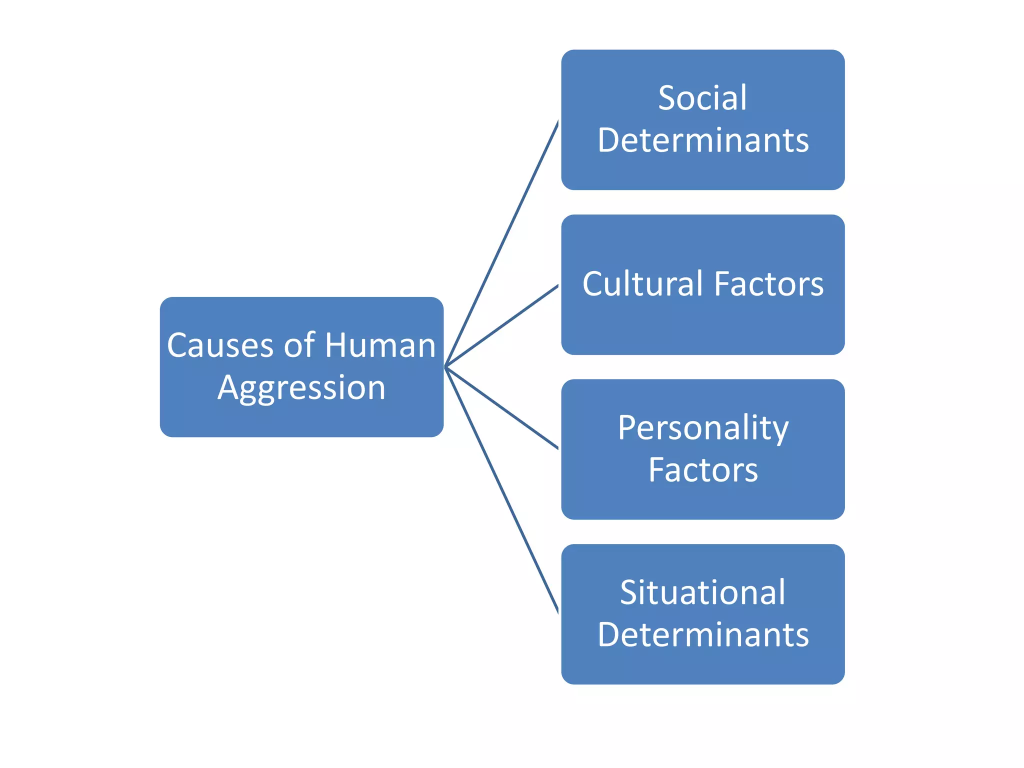
Understanding why a pet exhibits aggression is key to managing it effectively. Several factors contribute to aggressive behavior:
- Genetics and Breed Tendencies:
Some breeds are naturally more protective or territorial. While genetics don’t make a pet aggressive, they can influence tendencies toward certain behaviors. - Lack of Socialization:
Pets that have not been properly socialized with people or other animals are more likely to develop fearful or defensive aggression. Early exposure to diverse environments helps reduce aggression. - Negative Experiences:
Trauma, abuse, or previous attacks can trigger aggressive responses. Pets learn to defend themselves if they feel unsafe. - Medical Issues:
Pain, illness, hormonal imbalances, or neurological conditions can cause sudden aggression. Regular veterinary check-ups are essential to rule out medical causes. - Stress and Anxiety:
Environmental stressors, changes in routine, or new additions to the household can trigger aggression. Pets under chronic stress are more prone to defensive or reactive behaviors.
Managing Aggression in Pets
Dealing with aggression requires patience, understanding, and often professional guidance. Here are steps that can help:
Safety First
- Avoid situations where the pet might attack.
- Use barriers like baby gates or crates when necessary.
- Never punish aggression physically, as this can escalate fear and violence.
Behavioral Training
- Positive Reinforcement: Reward calm behavior with treats, praise, or toys.
- Desensitization: Gradually expose the pet to triggers in a controlled manner to reduce fear or frustration.
- Redirection: Teach alternative behaviors, such as sitting or staying, to replace aggressive responses.
Professional Help
Consulting a certified animal behaviorist or trainer is often necessary for persistent aggression. They can provide customized behavior modification plans and guidance for safe handling.
Medical Evaluation
If aggression appears suddenly, a veterinary check-up is crucial to rule out pain, illness, or hormonal issues. Treating the underlying medical condition can sometimes resolve aggressive behavior.
Preventing Aggression
Prevention is always better than cure. Pet owners can take proactive steps:
- Early Socialization: Introduce pets to diverse people, animals, and environments.
- Consistent Training: Establish clear rules and boundaries early on.
- Mental and Physical Exercise: Boredom and pent-up energy can contribute to aggression. Daily walks, play, and stimulation help.
- Stress Reduction: Create a calm, predictable environment. Avoid sudden changes and provide safe spaces.
Conclusion
Aggression in pets is a complex behavior that reflects a combination of genetics, environment, socialization, and health. Recognizing the signs—both subtle and overt—is essential for preventing injuries and maintaining a safe and harmonious household. With patience, training, and sometimes professional guidance, most pets can learn to manage their aggressive tendencies and coexist peacefully with humans and other animals.
Understanding aggression as a form of communication rather than “bad behavior” allows pet owners to respond with empathy and effective strategies, ensuring the well-being of both pets and their families.
