

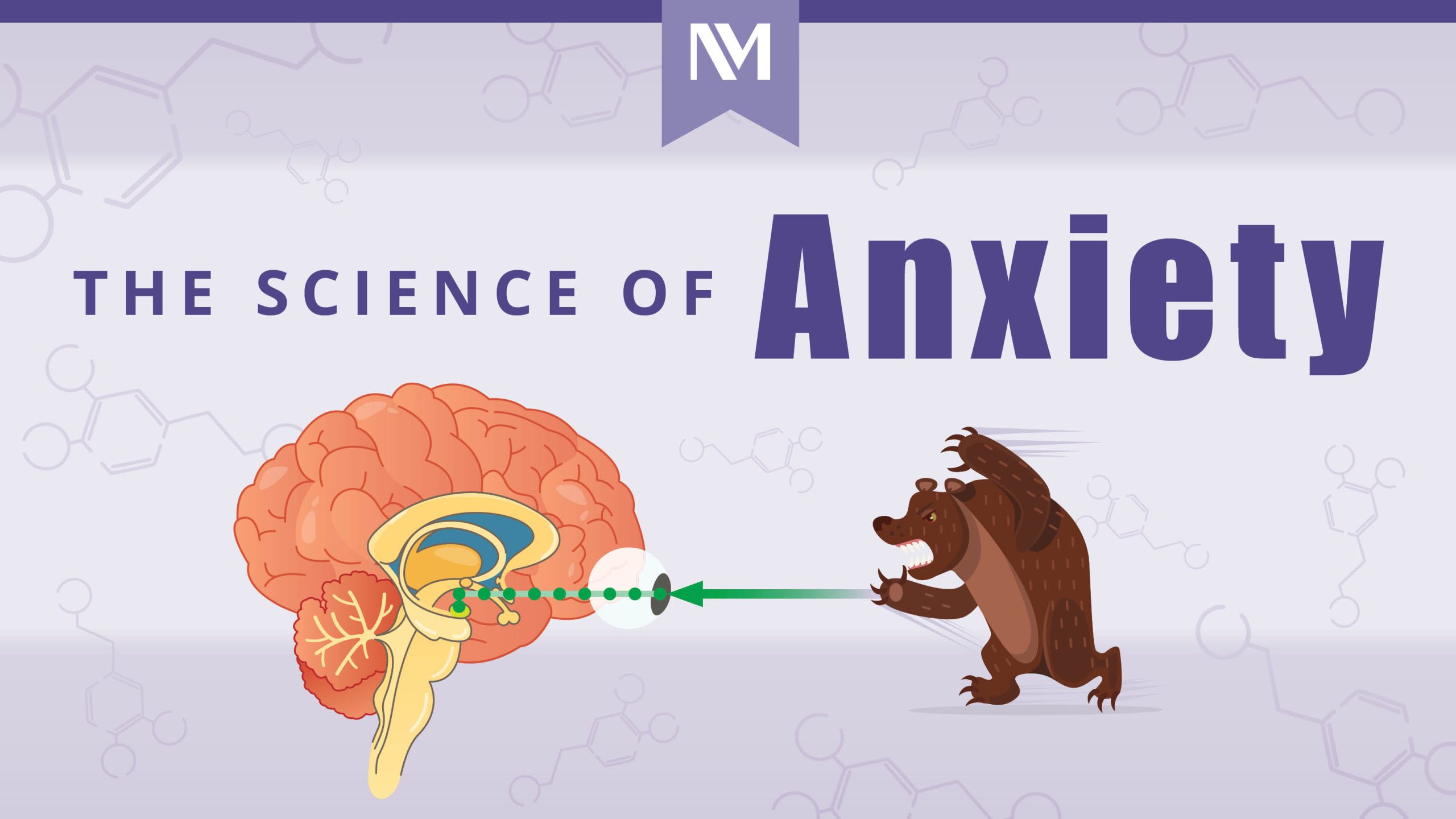
Anxiety is a natural response to stress or perceived threats, manifesting in various physical, emotional, and behavioral patterns. While it is a normal part of human experience, chronic anxiety can interfere with daily life and overall well-being. Understanding anxiety and its manifestations is crucial for managing it effectively and fostering mental health.
What is Anxiety?
Anxiety is an emotional state characterized by feelings of tension, worried thoughts, and physical changes such as increased heart rate, sweating, and restlessness. It often arises in response to stressors or perceived threats, whether real or imagined. Unlike fear, which is a response to an immediate danger, anxiety tends to be more diffuse, focusing on potential future threats. It can range from mild unease to severe distress, affecting a person’s ability to function effectively in daily life.
The Causes of Anxiety
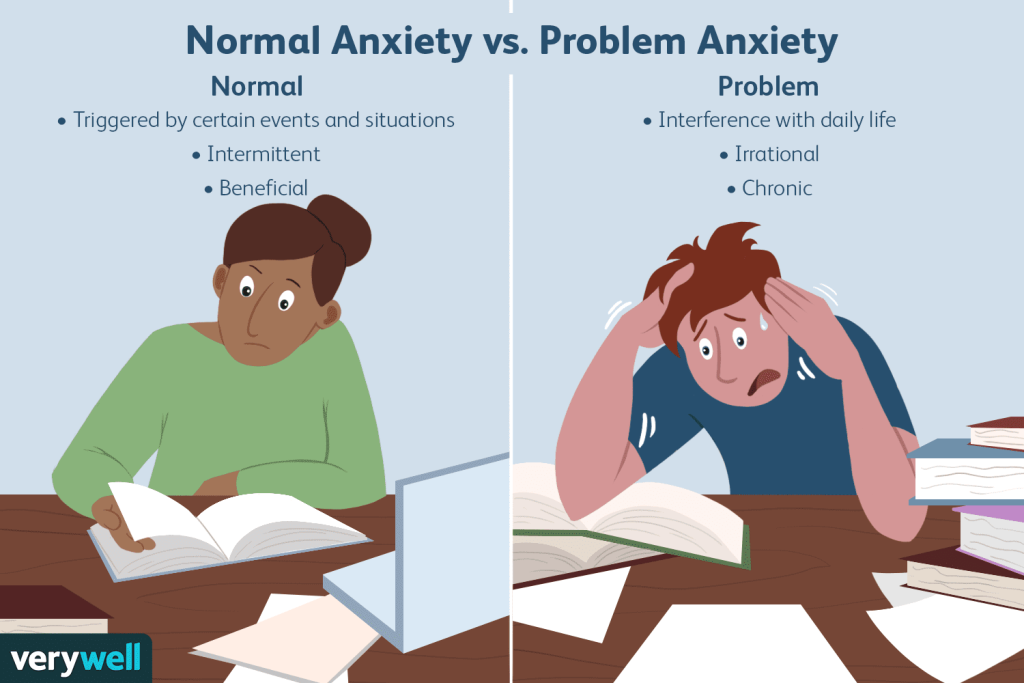
Anxiety arises from a complex interplay of genetic, environmental, psychological, and biological factors. Some of the key causes include:
- Biological Factors: Neurotransmitters, brain chemistry, and genetics play a significant role in anxiety. Imbalances in serotonin, dopamine, and gamma-aminobutyric acid (GABA) can contribute to heightened anxiety responses. A family history of anxiety disorders may also increase susceptibility.
- Environmental Stressors: Situational pressures, such as academic challenges, workplace stress, financial difficulties, or relationship issues, can trigger anxiety. Repeated exposure to stressful environments may exacerbate the condition over time.
- Psychological Factors: Personality traits, coping mechanisms, and past experiences influence how individuals respond to stress. People with perfectionist tendencies or low self-esteem may experience higher anxiety levels.
- Trauma and Adverse Experiences: Traumatic events, such as accidents, abuse, or loss, can lead to anxiety disorders. Post-traumatic stress disorder (PTSD) is one example of how trauma and fear-based experiences can result in chronic anxiety.
Types of Anxiety
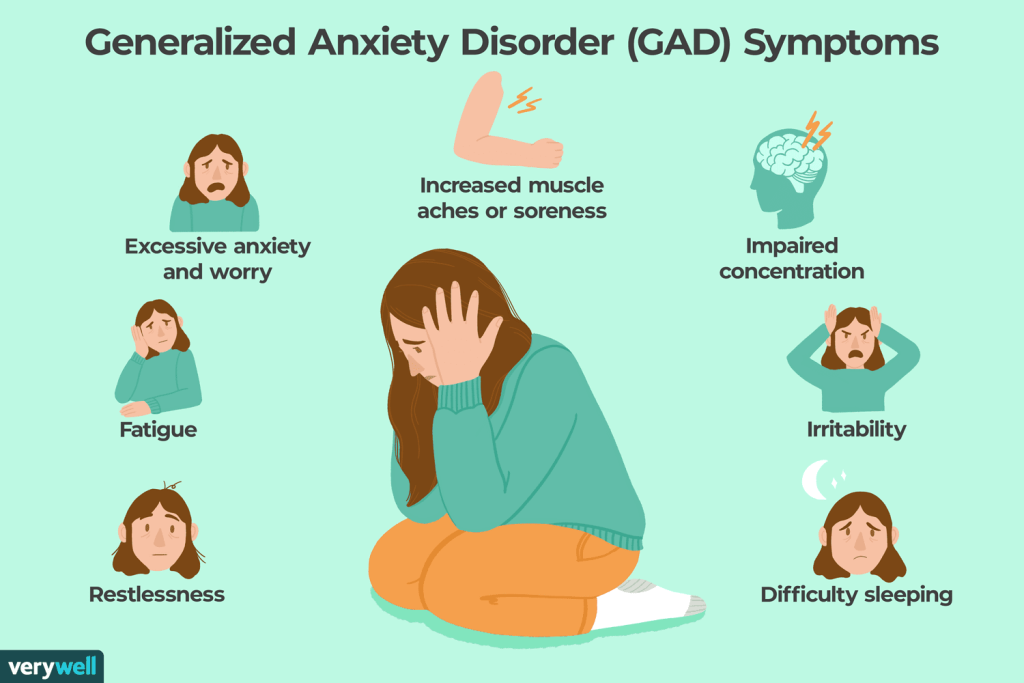
Anxiety manifests in various forms, ranging from everyday stress to severe psychiatric conditions. Some common types include:
- Generalized Anxiety Disorder (GAD): Characterized by persistent and excessive worry about everyday matters. Individuals with GAD often struggle to control their anxiety and experience physical symptoms like fatigue, muscle tension, and sleep disturbances.
- Panic Disorder: Marked by recurrent panic attacks, which are sudden episodes of intense fear accompanied by physical symptoms such as palpitations, shortness of breath, and dizziness.
- Social Anxiety Disorder: A fear of social situations and concern about being judged or embarrassed. This can lead to avoidance of social interactions and difficulties in personal and professional life.
- Specific Phobias: Intense fear of specific objects or situations, such as heights, spiders, or flying. Phobias can trigger avoidance behaviors and extreme anxiety responses.
- Obsessive-Compulsive Disorder (OCD): Characterized by intrusive thoughts (obsessions) and repetitive behaviors (compulsions) intended to reduce anxiety.
- Post-Traumatic Stress Disorder (PTSD): Anxiety arising after exposure to traumatic events, leading to flashbacks, hypervigilance, and emotional distress.
Symptoms of Anxiety
Anxiety manifests through a combination of emotional, cognitive, behavioral, and physical symptoms. Recognizing these symptoms is key to identifying and addressing anxiety effectively.
Emotional Symptoms:
- Persistent worry or fear
- Irritability and restlessness
- Feeling overwhelmed or on edge
- Difficulty relaxing
Cognitive Symptoms:
- Racing thoughts or excessive rumination
- Difficulty concentrating or making decisions
- Catastrophic thinking or imagining worst-case scenarios
Behavioral Symptoms:
- Avoidance of anxiety-inducing situations
- Compulsive behaviors or rituals
- Social withdrawal
- Procrastination or indecisiveness
Physical Symptoms:
- Rapid heartbeat or palpitations
- Sweating, trembling, or shaking
- Shortness of breath
- Muscle tension or headaches
- Gastrointestinal issues
- Fatigue or insomnia
The Impact of Anxiety on Daily Life
While occasional anxiety is normal, chronic or severe anxiety can significantly impact personal, social, and professional life. It can affect relationships, reduce productivity, and contribute to other mental health conditions like depression. Physical health can also be compromised, as prolonged anxiety increases the risk of heart disease, digestive problems, and immune dysfunction. Recognizing the signs early and seeking appropriate intervention is crucial to mitigating these effects.
Coping Strategies and Management
Managing anxiety involves a combination of lifestyle changes, self-care practices, and professional support. Some effective strategies include:
1. Lifestyle Modifications:
- Regular Exercise: Physical activity helps reduce stress hormones and promotes the release of endorphins, improving mood.
- Healthy Diet: Balanced nutrition supports brain function and overall well-being. Avoiding excessive caffeine and sugar can reduce anxiety symptoms.
- Adequate Sleep: Poor sleep exacerbates anxiety, making it important to maintain a consistent sleep schedule.
2. Stress Management Techniques:
- Mindfulness and Meditation: Mindfulness practices help focus attention on the present, reducing rumination and worry.
- Deep Breathing Exercises: Controlled breathing activates the parasympathetic nervous system, inducing relaxation.
- Progressive Muscle Relaxation: Gradually tensing and relaxing muscle groups reduces physical tension associated with anxiety.
3. Cognitive and Behavioral Approaches:
- Cognitive Behavioral Therapy (CBT): CBT helps identify and challenge negative thought patterns, replacing them with more constructive perspectives.
- Exposure Therapy: Gradual exposure to feared situations can reduce avoidance behaviors and anxiety responses over time.
- Problem-Solving Skills: Developing effective coping mechanisms helps manage stressors more efficiently.
4. Professional Support:
- Consulting with a psychologist, psychiatrist, or counselor provides structured support and guidance.
- In some cases, medication may be prescribed to manage severe anxiety symptoms, such as antidepressants or anti-anxiety medications.
Preventing Anxiety from Escalating
Prevention is often more effective than treatment. Some measures to reduce the risk of chronic anxiety include:
- Building Resilience: Developing strong coping skills, emotional regulation, and adaptability.
- Maintaining Social Connections: Supportive relationships provide emotional resources to handle stress.
- Setting Realistic Goals: Avoiding overcommitment and acknowledging personal limits reduces pressure.
- Regular Self-Check-ins: Monitoring emotional and physical states helps detect early signs of anxiety.
Conclusion
Anxiety is a complex, multifaceted experience, encompassing stress, fear, and behavioral responses. While it is a natural part of life, chronic or severe anxiety requires attention and intervention. Recognizing the causes, symptoms, and types of anxiety is essential for effective management. By combining lifestyle changes, stress management techniques, cognitive strategies, and professional support, individuals can reduce anxiety’s impact and lead healthier, more balanced lives. Understanding and addressing anxiety not only improves mental health but also enhances overall quality of life, allowing individuals to navigate challenges with resilience and confidence.
