

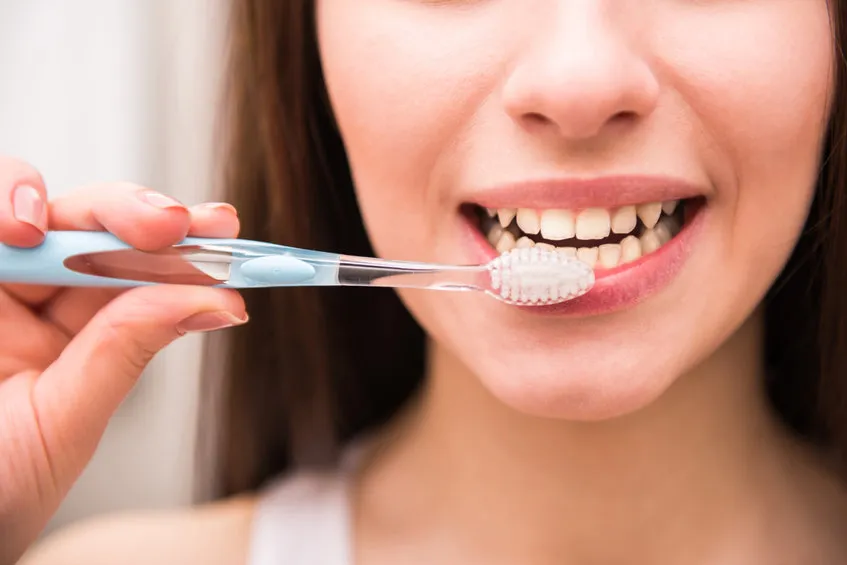
Dental care is a critical component of overall health, yet it is often overlooked in our daily routines. Maintaining proper oral hygiene not only preserves the health of your teeth and gums but also impacts your general well-being. Poor oral health has been linked to a variety of medical conditions, including heart disease, diabetes, and respiratory infections. Therefore, understanding dental care, proper oral hygiene, and teeth cleaning is essential for everyone.
The Importance of Oral Hygiene
Oral hygiene refers to the practice of keeping the mouth, teeth, and gums clean and healthy to prevent disease. This includes removing food debris, plaque, and bacteria that accumulate on teeth and gums. Proper oral hygiene prevents cavities, gum disease, bad breath, and other oral infections.
Neglecting oral hygiene can lead to serious problems such as tooth decay, gingivitis (inflammation of the gums), and periodontitis (severe gum disease). In extreme cases, poor oral health may lead to tooth loss. Moreover, bacteria from the mouth can enter the bloodstream and affect other parts of the body, demonstrating the link between oral health and systemic health.
Key Practices in Oral Hygiene
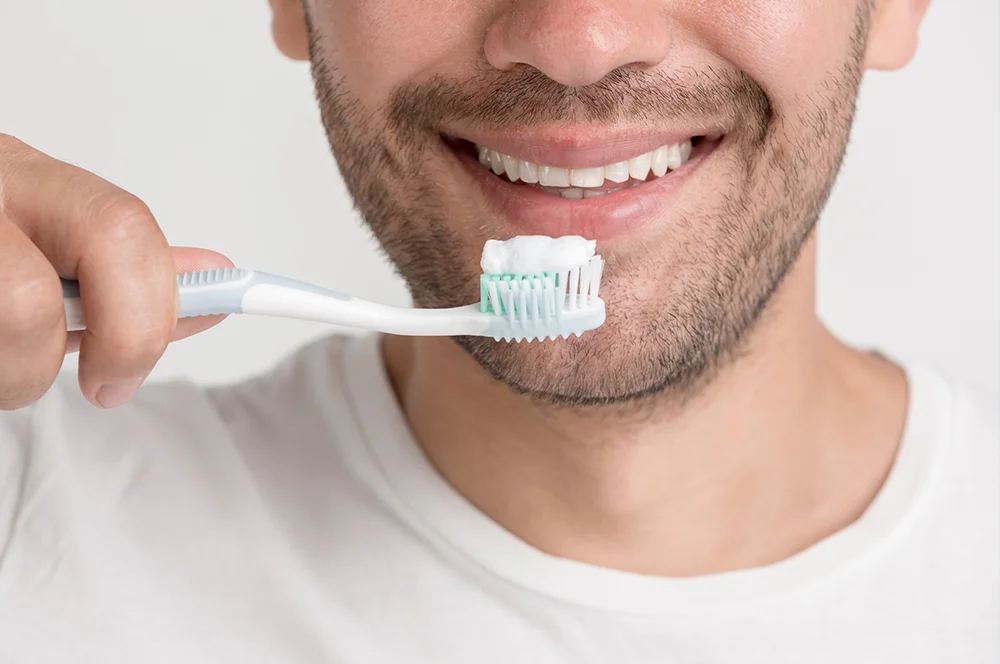
Maintaining oral hygiene involves several daily practices. These simple steps can significantly reduce the risk of dental problems:
1. Brushing Your Teeth
Brushing is the most fundamental aspect of oral hygiene. It removes plaque, a sticky layer of bacteria that forms on the teeth, which is the primary cause of tooth decay and gum disease. Effective brushing requires the following:
- Frequency: Brush at least twice a day, ideally after meals.
- Technique: Hold the toothbrush at a 45-degree angle to your gums and use gentle circular motions. Avoid harsh scrubbing, which can damage enamel and gums.
- Duration: Spend at least two minutes brushing each time.
- Toothpaste: Use a fluoride toothpaste, as fluoride strengthens enamel and prevents cavities.
2. Flossing
While brushing cleans the surfaces of teeth, flossing reaches the spaces between teeth where a toothbrush cannot reach. Food particles and plaque trapped between teeth can lead to cavities and gum disease. Flossing once daily is recommended for optimal oral health.
3. Mouthwash
Mouthwash is an additional step in oral care that can help reduce bacteria, freshen breath, and prevent plaque buildup. While mouthwash should not replace brushing and flossing, it provides extra protection, particularly for people with a higher risk of dental problems.
4. Tongue Cleaning
The tongue harbors bacteria that can contribute to bad breath and plaque formation. Using a tongue scraper or brushing the tongue gently every day helps reduce bacterial buildup.
5. Diet and Hydration
What you eat and drink plays a significant role in dental health. Foods high in sugar and starch increase the risk of cavities. Acidic foods and drinks can erode tooth enamel. On the other hand, a balanced diet rich in fruits, vegetables, dairy products, and whole grains strengthens teeth and gums. Drinking plenty of water also helps wash away food particles and bacteria.
Professional Teeth Cleaning
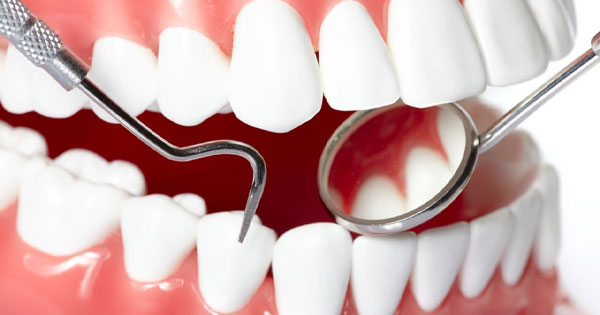
Even with excellent daily oral care, professional teeth cleaning is essential. Dentists and dental hygienists use specialized tools to remove hardened plaque (tartar) that cannot be removed by regular brushing or flossing. Professional cleaning helps prevent gum disease and maintains the overall health of your teeth.
Benefits of Professional Cleaning
- Prevents Gum Disease: Removing tartar reduces the risk of gingivitis and periodontitis.
- Prevents Cavities: Thorough cleaning removes plaque from hard-to-reach areas.
- Brightens Your Smile: Teeth often appear cleaner and whiter after professional cleaning.
- Early Detection: Dentists can identify early signs of dental problems, such as cavities, broken fillings, or oral cancer.
Frequency of Professional Cleaning
For most people, visiting the dentist every six months for cleaning is recommended. However, people with specific dental conditions may require more frequent visits.
Common Dental Problems and Prevention
Understanding common dental problems helps emphasize the importance of oral hygiene and teeth cleaning:
1. Cavities
Cavities, or dental caries, are permanently damaged areas on the teeth caused by plaque bacteria producing acid that erodes enamel. Preventive measures include brushing, flossing, reducing sugary foods, and regular dental checkups.
2. Gum Disease
Gum disease occurs when plaque buildup leads to inflammation. Gingivitis, the early stage, is reversible with proper care. Advanced gum disease (periodontitis) can result in tooth loss and may affect overall health. Prevention includes brushing, flossing, and professional cleanings.
3. Bad Breath
Persistent bad breath is often a sign of poor oral hygiene or underlying dental problems. Regular brushing, flossing, tongue cleaning, and hydration help maintain fresh breath.
4. Tooth Sensitivity
Sensitivity occurs when enamel wears down or gums recede, exposing the dentin. Using sensitive toothpaste, avoiding acidic foods, and maintaining proper brushing techniques can help manage tooth sensitivity.
Oral Hygiene in Children and Elderly
Oral care is essential for people of all ages, but special attention is required for children and the elderly.
Children
Good dental habits should start early. Parents should supervise brushing, encourage flossing once teeth touch, and limit sugary snacks. Fluoride use is particularly important for developing strong enamel.
Elderly
As people age, gums may recede, and teeth may become more prone to decay. Maintaining oral hygiene, using soft-bristled brushes, and regular dental visits help prevent age-related dental problems.
Myths and Misconceptions About Dental Care
There are several misconceptions about oral hygiene that need clarification:
- Myth 1: Brushing harder cleans better.
Fact: Harsh brushing damages enamel and gums. Gentle circular brushing is more effective. - Myth 2: Only sugar causes cavities.
Fact: While sugar contributes, bacteria metabolize any carbohydrate to produce acids that harm teeth. - Myth 3: Dental visits are only for pain.
Fact: Regular checkups prevent issues before they become painful or severe.
Conclusion
Dental care, oral hygiene, and teeth cleaning are vital for maintaining a healthy mouth and overall well-being. Daily practices such as brushing, flossing, and tongue cleaning, combined with a healthy diet and professional dental care, create a strong foundation for lifelong oral health. Understanding the importance of oral hygiene, preventing common dental problems, and debunking myths about dental care empower individuals to take control of their dental health. A commitment to proper oral hygiene today ensures a healthy, confident smile for years to come.
