


Dog castration, also known as neutering, is a common surgical procedure performed on male dogs. It involves the removal of the testicles, which effectively sterilizes the dog and prevents it from reproducing. While this procedure has been widely practiced for decades, many dog owners still have questions about its benefits, risks, and proper care. This article provides a detailed guide to dog castration, helping pet owners make informed decisions for their pets.
What is Dog Castration?
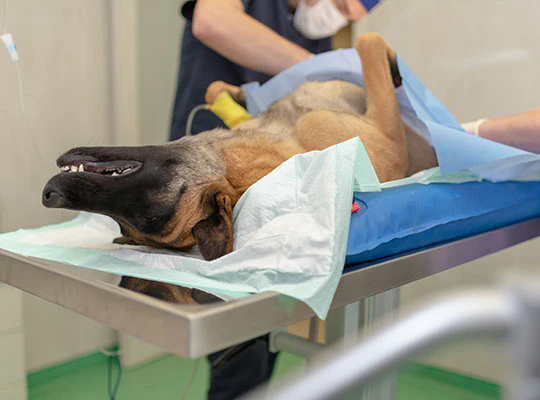
Dog castration is a surgical operation that removes a male dog’s testicles. It is typically performed by a licensed veterinarian under general anesthesia. The procedure is relatively straightforward and usually lasts between 20 to 45 minutes, depending on the size and age of the dog. Once castrated, a male dog can no longer father puppies.
Castration is different from spaying, which is the equivalent procedure performed on female dogs. While both procedures are designed to prevent reproduction, castration also affects certain behavioral and health aspects of the dog.
Why Castrate Your Dog?

There are multiple reasons why dog owners might choose to castrate their pets. These include health benefits, behavioral management, and population control.
1. Health Benefits
Castration can reduce the risk of several health issues in male dogs:
- Testicular cancer: Removing the testicles eliminates the risk of this type of cancer entirely.
- Prostate problems: Castration lowers the chance of prostate enlargement, infections, and certain types of prostate cancer.
- Hormone-related issues: Conditions like perianal tumors and hormone-driven skin disorders may be less common in neutered dogs.
2. Behavioral Benefits
Male dogs often exhibit behaviors influenced by testosterone. Castration can help mitigate some of these issues:
- Aggression reduction: Castration may decrease hormone-driven aggression toward other dogs or people.
- Roaming and marking: Intact male dogs have a tendency to roam in search of females, which increases the risk of accidents. Castration often reduces this roaming behavior. They also tend to urinate more frequently to mark territory, which can lessen after castration.
- Mounting and dominance: Unwanted mounting behaviors and dominance displays can be minimized after neutering.
3. Population Control
One of the most important reasons for castration is to prevent unwanted litters. Dog overpopulation is a global concern, and neutering is a responsible way to reduce the number of stray and abandoned dogs. Each unplanned litter contributes to the strain on animal shelters and can negatively impact the welfare of dogs in communities.
When Should a Dog Be Castrated?
The timing of castration depends on the dog’s age, breed, and health. Veterinarians commonly recommend neutering between six months and one year of age. However, smaller breeds may undergo the procedure a bit earlier, while larger breeds might benefit from waiting until their bones and joints are fully developed.
Castration can also be performed on adult dogs or even older dogs, but the risks and recovery time may differ. It’s important to consult a veterinarian to determine the optimal timing for each individual dog.
The Castration Procedure
Castration is performed under general anesthesia, ensuring that the dog feels no pain during the operation. Here’s what typically happens:
- Pre-surgical preparation: The veterinarian examines the dog to ensure it is healthy enough for surgery. Blood tests may be conducted to check organ function.
- Anesthesia administration: The dog is given anesthesia, and vital signs are closely monitored throughout the procedure.
- Surgical removal: The veterinarian makes a small incision in the scrotum or just in front of it and removes the testicles. The incision is then stitched or allowed to heal naturally, depending on the surgical technique.
- Recovery: The dog is monitored until the anesthesia wears off. Pain management and antibiotics may be prescribed to prevent infection and reduce discomfort.
The entire procedure is usually completed in less than an hour, and most dogs can go home the same day.
Post-Operative Care
Proper care after castration is crucial for a smooth recovery. Here are some guidelines:
- Limit activity: Avoid vigorous exercise or running for at least 7–10 days after surgery.
- Monitor the incision: Check for swelling, redness, discharge, or signs of infection. If any unusual symptoms occur, contact your veterinarian immediately.
- Prevent licking: Dogs often try to lick their wounds. Using an Elizabethan collar or similar device can prevent them from disturbing the surgical site.
- Pain management: Administer prescribed pain medications as instructed by your vet.
- Diet and hydration: Keep your dog hydrated and follow any dietary instructions provided by your veterinarian.
Most dogs recover fully within 10–14 days, after which they can return to normal activities.
Risks and Considerations
Like any surgical procedure, castration carries some risks:
- Anesthesia complications: Rarely, dogs may have adverse reactions to anesthesia.
- Infection or bleeding: Surgical site infections or minor bleeding may occur but are usually manageable.
- Hormonal and metabolic changes: Some neutered dogs may gain weight due to reduced activity and changes in metabolism. Adjusting diet and exercise can prevent obesity.
- Behavioral impact: While castration reduces certain behaviors, it does not guarantee complete elimination of aggression or dominance tendencies. Training and socialization are still important.
It’s crucial to weigh these risks against the benefits, and a veterinarian can provide guidance tailored to your dog’s specific needs.
Myths and Misconceptions
There are several misconceptions about dog castration that are worth addressing:
- Castration makes dogs lazy: While metabolism may slow slightly, dogs do not become inherently lazy. Proper exercise and diet prevent weight gain.
- Castration changes personality completely: Neutering can reduce hormone-driven behaviors, but core personality traits remain unchanged.
- Castration is only for stray dogs: Neutering is recommended for pet dogs as well, for health, behavioral, and population control reasons.
Conclusion
Dog castration is a safe and effective procedure that provides significant health, behavioral, and societal benefits. By understanding the process, timing, and aftercare, dog owners can make responsible decisions for their pets’ welfare. While the decision to castrate is personal, it is generally recognized as a responsible step in promoting the health of individual dogs and the overall dog population. Consulting a veterinarian and following their guidance ensures the best outcome for your furry companion.
