

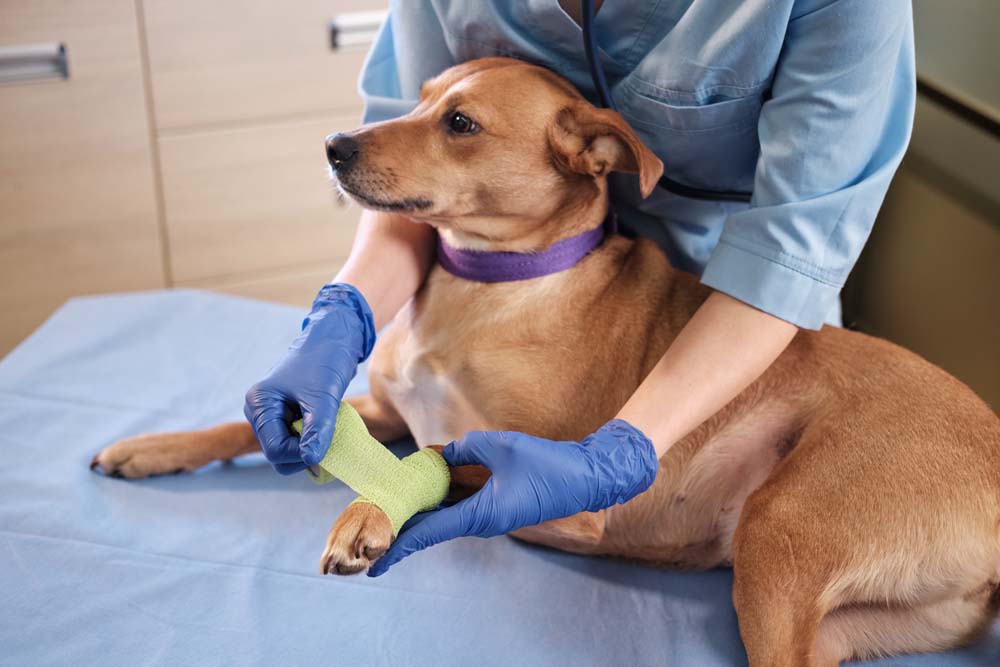
Dog neutering is a common veterinary procedure that involves removing a male dog’s testicles or a female dog’s ovaries and uterus, depending on whether it is a neutering or spaying procedure. While it may seem like a straightforward surgical process, it carries significant health, behavioral, and societal benefits. In this article, we will explore what dog neutering is, why it is performed, the benefits and potential risks, the procedure itself, and post-operative care.
What is Dog Neutering?
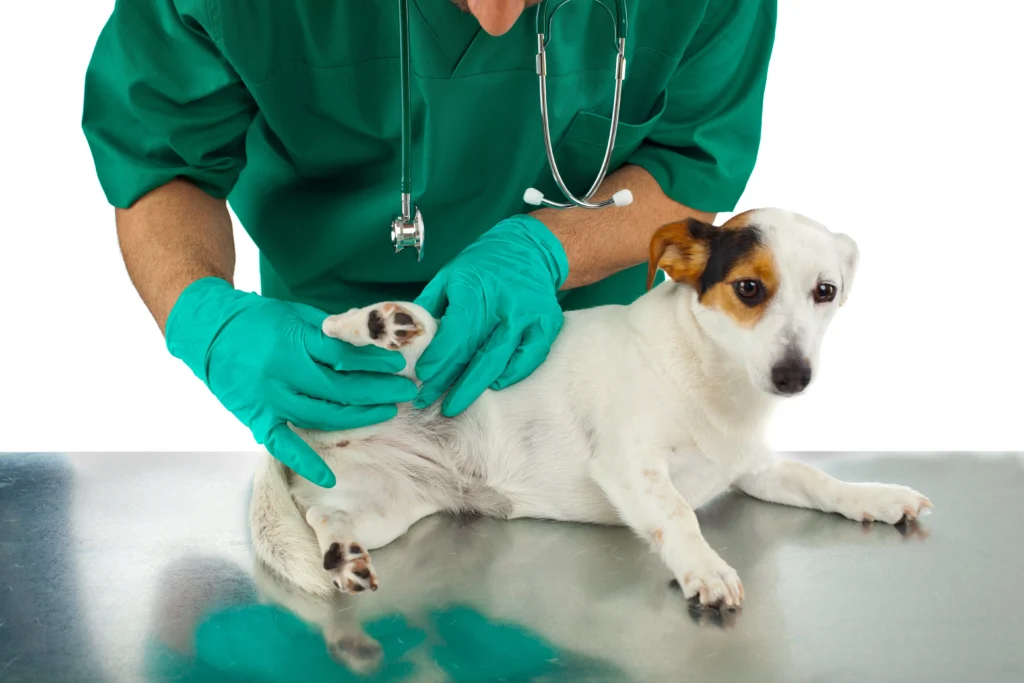
Dog neutering refers to the surgical sterilization of a dog to prevent reproduction. For male dogs, the procedure is called castration, which involves the removal of the testicles. For female dogs, the term spaying is used, which involves removing the ovaries and often the uterus. The primary purpose of neutering is to control the dog population, but it also has significant health and behavioral advantages.
Neutering can be performed at almost any age, though veterinarians often recommend doing it before a dog reaches sexual maturity. The timing depends on the breed, size, and overall health of the dog. Early neutering can prevent unwanted litters and reduce certain health risks, but some experts suggest waiting until a dog is fully grown for optimal orthopedic and hormonal development.
Why is Dog Neutering Important?
1. Controlling the Dog Population
One of the most significant reasons for neutering dogs is to control the population of stray and unwanted dogs. Every year, thousands of dogs are abandoned or left in shelters because owners cannot manage litters. By neutering, pet owners can ensure that their dogs do not contribute to the increasing number of homeless animals.
2. Health Benefits
Neutering offers several health benefits for dogs:
- Reduced Risk of Certain Cancers: Neutering male dogs eliminates the risk of testicular cancer. In females, spaying drastically reduces the risk of ovarian and uterine cancers. Spaying before the first heat cycle can almost eliminate the risk of mammary tumors, which are often malignant.
- Prevention of Reproductive Disorders: Spaying prevents pyometra, a life-threatening infection of the uterus in female dogs. Castration also prevents prostate problems in males, including enlargement and infection.
- Longer Lifespan: Studies suggest that neutered dogs may live longer than their unneutered counterparts due to reduced risk of certain diseases and infections.
3. Behavioral Benefits
Neutering can also influence a dog’s behavior:
- Reduced Aggression: Male dogs are often more aggressive due to testosterone. Castration can reduce aggressive tendencies toward other dogs or humans.
- Less Marking and Roaming: Neutered dogs are less likely to mark their territory with urine or roam in search of a mate. This behavior can reduce accidents, fights, and exposure to diseases.
- Calmer Temperament: Many pet owners notice that neutered dogs are more relaxed and easier to train, making them more compatible with families.
The Neutering Procedure
Dog neutering is a routine surgical procedure performed under general anesthesia. While the process differs slightly between males and females, the overall goal is the same: prevent reproduction and reduce hormone-driven behaviors.
Castration in Male Dogs
Castration is a relatively simple surgery:
- The dog is anesthetized and prepared for surgery.
- The veterinarian makes a small incision in the scrotum.
- The testicles are removed, and blood vessels and spermatic cords are tied off.
- The incision is closed with sutures or surgical glue.
The surgery usually takes less than an hour, and recovery is generally quick, with most dogs resuming normal activity within a week.
Spaying in Female Dogs
Spaying is slightly more complex:
- The dog is anesthetized, and the abdominal area is shaved and sterilized.
- A small incision is made in the abdomen.
- The ovaries, and often the uterus, are removed.
- The incision is sutured closed.
Spaying requires a longer recovery period than castration, typically two to three weeks. During this time, the dog may need restricted activity and careful monitoring to ensure proper healing.
Recovery and Post-Operative Care
After neutering, proper care is essential to ensure a smooth recovery:
- Pain Management: Veterinarians often prescribe pain medication to keep the dog comfortable.
- Activity Restriction: Dogs should avoid running, jumping, and rough play for a few weeks after surgery to prevent complications.
- Incision Monitoring: Owners should check the surgical site daily for redness, swelling, or discharge. Any signs of infection should be addressed immediately.
- Diet and Hydration: Provide a balanced diet and ensure the dog remains hydrated.
- Follow-Up Visits: Most veterinarians schedule a follow-up appointment to check the incision and remove sutures if necessary.
Potential Risks and Considerations
Like any surgical procedure, dog neutering carries some risks:
- Anesthesia Complications: Although rare, some dogs may have adverse reactions to anesthesia.
- Infection: Improper post-operative care can lead to infections at the incision site.
- Weight Gain: Neutered dogs may have a slower metabolism, making them prone to weight gain if diet and exercise are not managed.
- Hormonal Changes: Some dogs may experience minor hormonal shifts that can affect behavior or coat quality.
Despite these risks, neutering is generally considered safe and beneficial for most dogs. Veterinarians carefully assess each dog’s health before recommending the procedure.
Common Myths About Dog Neutering
There are several misconceptions about neutering that can cause confusion among dog owners:
- “Neutering will make my dog lazy”: While neutered dogs may be calmer, they still require exercise and mental stimulation to stay healthy.
- “It changes my dog’s personality”: Neutering primarily affects hormone-driven behaviors, but it does not fundamentally alter a dog’s character or intelligence.
- “My dog is too young”: Early neutering can be safe if performed under veterinary guidance, though timing may vary based on breed and size.
- “My dog will gain too much weight”: Weight gain is preventable with proper diet and regular exercise.
Social and Community Benefits
Neutering also has broader societal advantages:
- Reduction in Stray Animals: By preventing unwanted litters, neutering reduces the number of dogs living on the streets.
- Lower Shelter Populations: Fewer unwanted dogs lead to less overcrowding in shelters and lower euthanasia rates.
- Community Health: Controlling the dog population can reduce the spread of diseases and minimize dog-related accidents.
Conclusion
Dog neutering is more than just a surgical procedure—it is a responsible choice that benefits the individual dog, the family, and the community. By preventing unwanted litters, improving health, and reducing behavioral issues, neutering contributes to the well-being of dogs and their owners. While there are risks associated with surgery, proper veterinary care and post-operative management ensure a safe and effective outcome.
For anyone considering neutering their dog, consulting a veterinarian is the best way to understand the optimal timing, procedure, and care needed. Ultimately, neutering is a compassionate step toward ensuring a healthier, happier, and more harmonious life for dogs and the people who love them.
