

Proper cat nutrition and feeding play a vital role in maintaining a cat’s overall health, longevity, and quality of life. Cats are unique animals with specific dietary needs that differ greatly from dogs and humans. As obligate carnivores, cats rely heavily on nutrients found primarily in animal-based proteins. Understanding what, how, and when to feed your cat is essential for ensuring optimal growth, strong immunity, and prevention of common health problems.
This article provides a complete guide to proper cat nutrition and feeding, covering essential nutrients, feeding schedules, portion control, life-stage requirements, and common feeding mistakes.
Understanding a Cat’s Nutritional Needs
Cats require a balanced diet that supports their energy levels, organ function, and natural instincts. Unlike omnivores, cats cannot thrive on plant-based diets alone. Their bodies are designed to process animal protein efficiently.
Essential Nutrients for Cats
A nutritionally complete cat diet must include the following key nutrients:
Protein
Protein is the most important nutrient in a cat’s diet. It supports muscle development, tissue repair, immune function, and energy production. Cats require a higher level of protein than many other animals because their metabolism constantly uses protein for essential bodily functions.
Fats
Fats provide a concentrated source of energy and help maintain healthy skin and a shiny coat. Essential fatty acids also support brain function and reduce inflammation.
Vitamins and Minerals
Vitamins such as A, D, E, and B-complex are necessary for vision, bone health, metabolism, and nervous system function. Minerals like calcium, phosphorus, magnesium, and potassium support bones, teeth, and proper organ activity.
Taurine
Taurine is an amino acid that is absolutely essential for cats. It supports heart health, vision, digestion, and reproductive function. A deficiency can lead to serious health issues, including heart disease and blindness.
Water
Hydration is a crucial but often overlooked aspect of proper cat nutrition and feeding. Cats naturally have a low thirst drive, so their diet should help maintain adequate hydration levels.
Types of Cat Food

Choosing the right type of cat food is an important decision that affects your cat’s health and eating habits.
Dry Cat Food
Dry food is convenient, affordable, and easy to store. It can help reduce plaque buildup on teeth when chewed. However, dry food contains low moisture, which may not be ideal for cats prone to urinary or kidney issues.
Wet Cat Food
Wet food has a high moisture content, making it beneficial for hydration. It is often more palatable and easier to chew, especially for older cats. Wet food can support urinary tract health and help prevent dehydration.
Semi-Moist and Fresh Diets
Some cat owners prefer fresh or semi-moist diets. These can be nutritious if properly formulated, but they must be balanced carefully to avoid nutrient deficiencies.
A combination of wet and dry food is often recommended to provide both dental benefits and hydration support.
Feeding Cats at Different Life Stages
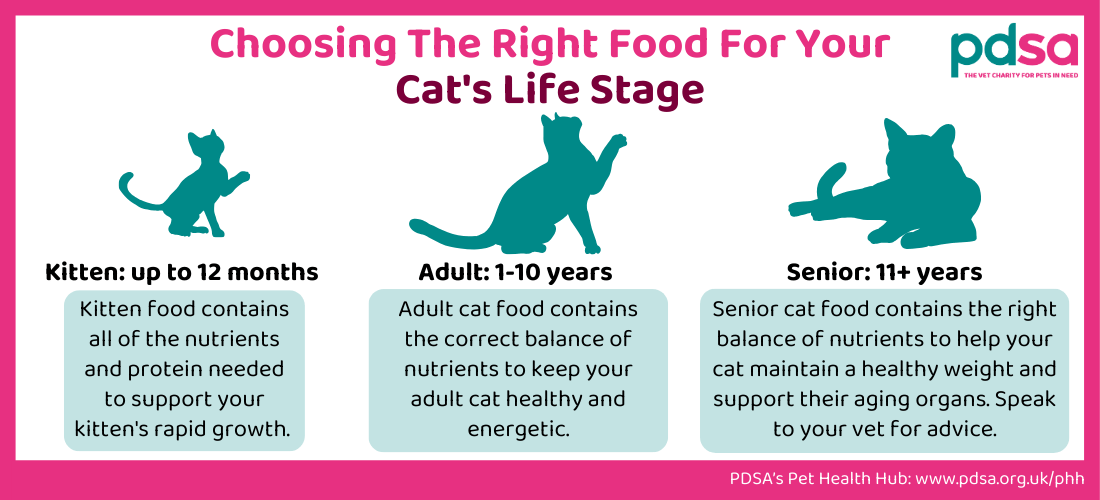
Proper cat nutrition and feeding change as cats grow and age. Each life stage has unique dietary requirements.
Kitten Nutrition
Kittens grow rapidly and need more calories, protein, and fat than adult cats. Their diet should support brain development, bone growth, and immune system strength. Kittens should be fed small, frequent meals throughout the day.
Adult Cat Feeding
Adult cats require a balanced diet to maintain a healthy weight and energy level. Portion control becomes important at this stage to prevent obesity. Feeding schedules should be consistent, and treats should be given in moderation.
Senior Cat Nutrition
Senior cats may experience slower metabolism, dental issues, and reduced activity levels. Their diet should be easy to digest, moderate in calories, and supportive of joint, kidney, and heart health. Regular monitoring of weight and appetite is essential.
Proper Feeding Schedules and Portions
Establishing a consistent feeding routine helps regulate digestion and prevents overeating.
How Often Should You Feed Your Cat?
Most adult cats do well with two meals per day. Kittens may need three to four meals daily, while senior cats may benefit from smaller, more frequent meals.
Portion Control
Overfeeding is one of the most common feeding mistakes. Portion sizes should be based on your cat’s age, weight, activity level, and health condition. Measuring food accurately helps prevent obesity and related diseases.
Importance of Hydration in Cat Feeding
Water is essential for kidney function, digestion, and temperature regulation. Cats that eat only dry food may not drink enough water on their own.
Ways to improve hydration include:
- Providing fresh water daily
- Using wide, shallow bowls
- Offering wet food regularly
- Keeping water bowls away from food dishes
Proper hydration is a key component of proper cat nutrition and feeding.
Foods Cats Should Avoid
Some foods that are safe for humans can be dangerous or toxic to cats.
Common foods to avoid include:
- Onions and garlic
- Chocolate
- Grapes and raisins
- Alcohol
- Caffeinated drinks
- Raw dough
- Excessive dairy products
Feeding cats table scraps regularly can lead to nutritional imbalances and digestive problems.
Common Feeding Mistakes
Many cat owners unintentionally make feeding mistakes that can affect their cat’s health.
Free Feeding
Leaving food out all day can lead to overeating and weight gain.
Too Many Treats
Treats should not exceed a small percentage of a cat’s daily calorie intake.
Ignoring Weight Changes
Sudden weight gain or loss can be a sign of underlying health issues and should not be ignored.
Feeding Dog Food
Dog food does not meet a cat’s nutritional requirements and should never be used as a replacement.
Benefits of Proper Cat Nutrition and Feeding
Providing a balanced and appropriate diet offers many long-term benefits, including:
- Healthy body weight
- Strong immune system
- Shiny coat and healthy skin
- Improved digestion
- Better energy levels
- Reduced risk of chronic diseases
Cats that receive proper nutrition tend to live longer, happier, and more active lives.
Conclusion
Proper cat nutrition and feeding are fundamental responsibilities of every cat owner. Understanding your cat’s unique dietary needs, choosing the right food, maintaining a consistent feeding schedule, and avoiding common mistakes can significantly improve your cat’s health and well-being.
A well-nourished cat is not only physically healthier but also more playful, affectionate, and mentally alert. By focusing on balanced nutrition and mindful feeding practices, you ensure that your feline companion enjoys a long, comfortable, and fulfilling life.
