

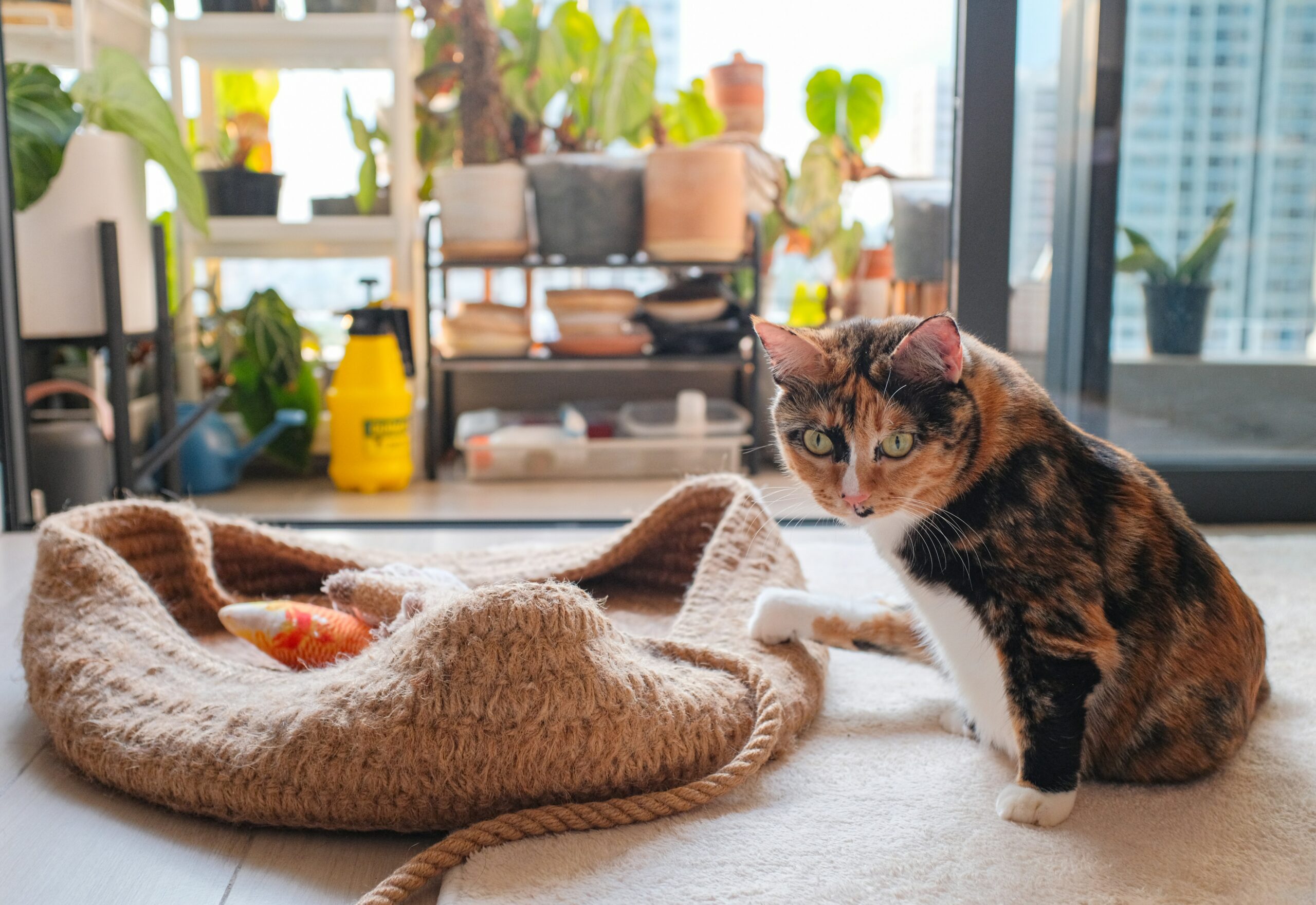
Cats are beloved companions, known for their playful antics, curiosity, and affectionate nature. Creating a safe and comfortable living environment for them is crucial for their physical health, mental well-being, and overall happiness. Unlike dogs, cats often spend more time indoors, making their immediate environment a central aspect of their life. A thoughtfully designed space can reduce stress, prevent accidents, and enrich their daily experiences.
Understanding Cat Behavior and Needs
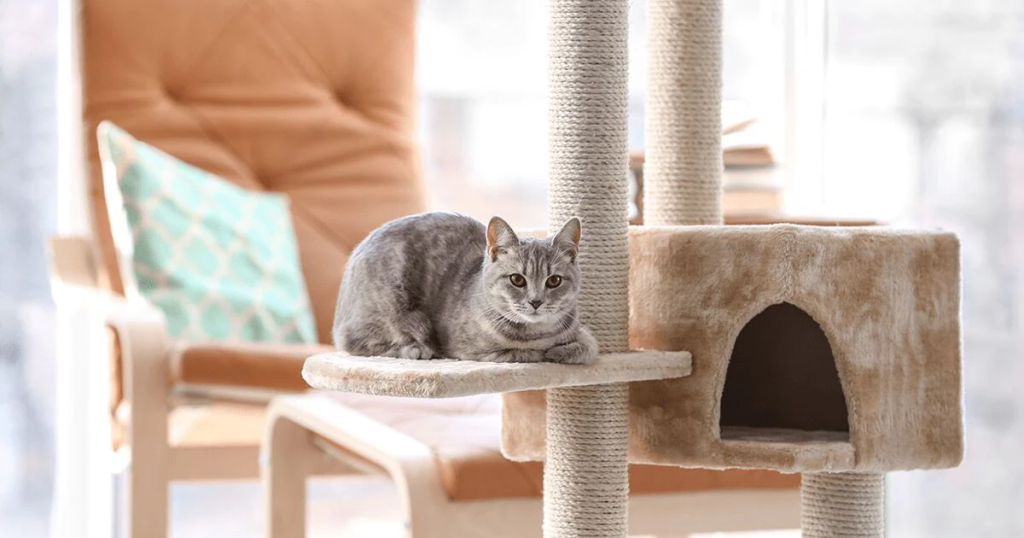
Before designing a living environment for cats, it is important to understand their natural behavior and instincts. Cats are territorial animals, which means they like to have spaces they can claim as their own. They are also predators by nature, with strong hunting instincts, so they need mental stimulation to stay engaged. Climbing, scratching, and exploring are natural activities that should be accommodated in a safe home environment.
Cats also value privacy and quiet spaces where they can retreat when they feel stressed or overwhelmed. Sudden loud noises or crowded areas can make a cat anxious. Recognizing these needs is the first step toward creating a living environment that feels safe and comforting.
Safe Indoor Environment
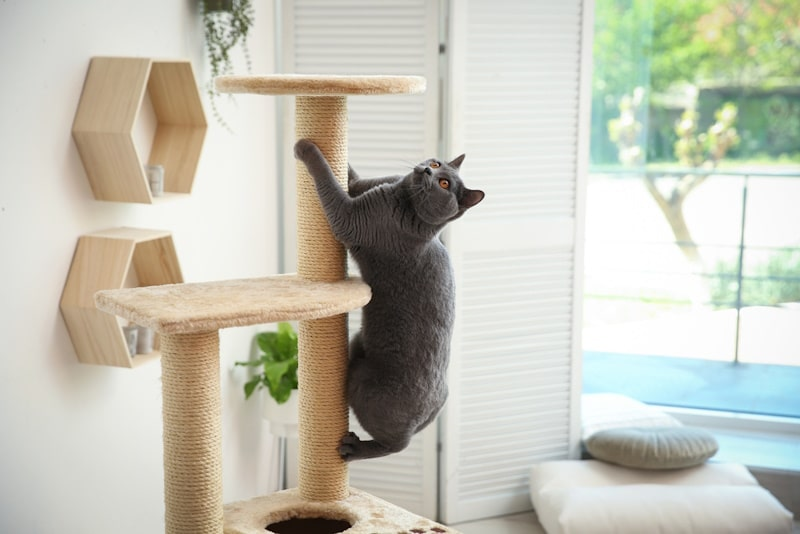
Creating a safe indoor environment begins with eliminating hazards that can harm your cat. Common household dangers include toxic plants, chemicals, small objects that can be swallowed, and open windows or balconies. Many cats are natural climbers and explorers, so it is important to secure high shelves and prevent access to unsafe areas.
Electrical cords should be kept out of reach or covered, as chewing on cords can cause severe injuries. Similarly, kitchen counters and stoves should be monitored, as cats can accidentally burn themselves. Window screens and balcony barriers are essential to prevent falls, especially for cats that enjoy spending time near windows.
Indoor cats also benefit from safe spaces where they can exercise and explore without risk. Cat trees, tunnels, and interactive toys can help them stay active while satisfying their curiosity. Vertical spaces, such as shelves and perches, are particularly important, as cats often feel safer when they can observe their surroundings from above.
Comfortable Living Spaces
Comfort is just as important as safety. Cats need cozy, quiet areas where they can rest undisturbed. Soft beds, blankets, and cushions placed in low-traffic areas provide ideal resting spots. Cats often enjoy sleeping in elevated spaces, so consider placing beds on shelves or in cat trees to give them a sense of security.
Temperature control is also vital. Cats are sensitive to extreme heat or cold, so maintaining a comfortable indoor temperature is essential for their well-being. Providing warm spots near windows or sunny areas can make naptime more enjoyable.
The litter box is another key component of a comfortable living environment. It should be placed in a quiet, accessible location and cleaned regularly. Multiple litter boxes may be needed in multi-cat households to prevent territorial disputes and ensure that each cat has a private space for elimination.
Enrichment and Mental Stimulation
A cat’s mental health is just as important as its physical safety. Boredom can lead to destructive behavior, excessive meowing, or even depression. Providing environmental enrichment helps cats stay active, engaged, and happy.
Interactive toys, puzzle feeders, and treat-dispensing devices can stimulate a cat’s mind and mimic hunting behavior. Regular playtime with their human companions also strengthens bonds and provides exercise. Cats enjoy activities that challenge their senses, such as toys that move unpredictably, feathers, or balls.
Window perches or bird feeders outside windows allow cats to observe the world safely, satisfying their curiosity. Rotating toys regularly can keep their environment interesting and prevent boredom.
Social Considerations
Cats are social creatures, but their social needs vary depending on personality. Some cats thrive with frequent human interaction, while others prefer solitude. It’s important to respect a cat’s boundaries and provide options for both socializing and privacy.
In multi-cat households, providing separate resources such as food bowls, litter boxes, and resting areas can reduce conflicts and stress. Each cat should have its own safe zone where it can retreat when needed.
Grooming and Health Care
A comfortable living environment also includes access to proper grooming and healthcare. Regular brushing keeps a cat’s coat clean and reduces hairballs. Nail trimming and dental care are important for overall health. Providing scratching posts encourages natural grooming behaviors and helps maintain healthy claws.
Routine veterinary check-ups are essential for preventing illnesses and addressing health concerns early. Vaccinations, parasite control, and spaying or neutering contribute to a cat’s long-term well-being and comfort.
Safety for Outdoor Access
While indoor living is generally safer for cats, some owners may provide supervised outdoor access. Outdoor spaces should be secure and escape-proof. Cat enclosures, leashes, or fenced-in yards allow cats to enjoy the outdoors safely.
Exposure to nature provides mental stimulation and exercise, but it also comes with risks such as traffic, predators, and diseases. Supervised exploration ensures that cats can enjoy the benefits of the outdoors without unnecessary danger.
Adapting the Environment as Cats Age
Cats’ needs change as they grow older. Kittens require more playtime, stimulation, and exploration opportunities, while senior cats may need softer bedding, easier access to litter boxes, and quieter spaces. Adjusting the living environment to accommodate age-related changes ensures that cats remain safe and comfortable throughout their lives.
Signs of a Comfortable and Safe Cat
A cat that feels safe and comfortable will show positive behaviors such as relaxed body language, regular eating, grooming, and playful activity. Conversely, signs of stress or discomfort, such as hiding, aggression, or excessive vocalization, may indicate that adjustments to the living environment are needed.
Paying attention to a cat’s behavior and preferences is key to creating a home that meets its physical, emotional, and social needs. Every cat is unique, and tailoring their environment accordingly will improve their quality of life significantly.
Conclusion
Creating a safe and comfortable living environment for cats involves understanding their behavior, eliminating hazards, providing mental and physical enrichment, and attending to their health and social needs. A thoughtfully designed space helps cats feel secure, reduces stress, and encourages natural behaviors that contribute to their well-being.
By prioritizing safety, comfort, and enrichment, cat owners can ensure that their feline companions live happy, healthy, and fulfilling lives. Ultimately, the effort invested in creating a nurturing environment is rewarded with a cat that is not only content but also confident, playful, and affectionate.
