

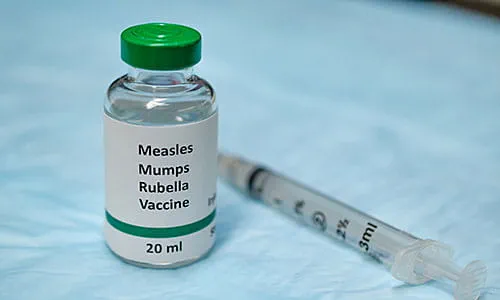
Vaccination is one of the most significant achievements in modern medicine, playing a vital role in protecting individuals and communities from infectious diseases. It works by stimulating the body’s immune system to recognize and fight harmful pathogens, such as viruses and bacteria, without causing the disease itself. This process, known as immunization, is central to disease prevention and has saved millions of lives worldwide.
Understanding Vaccination
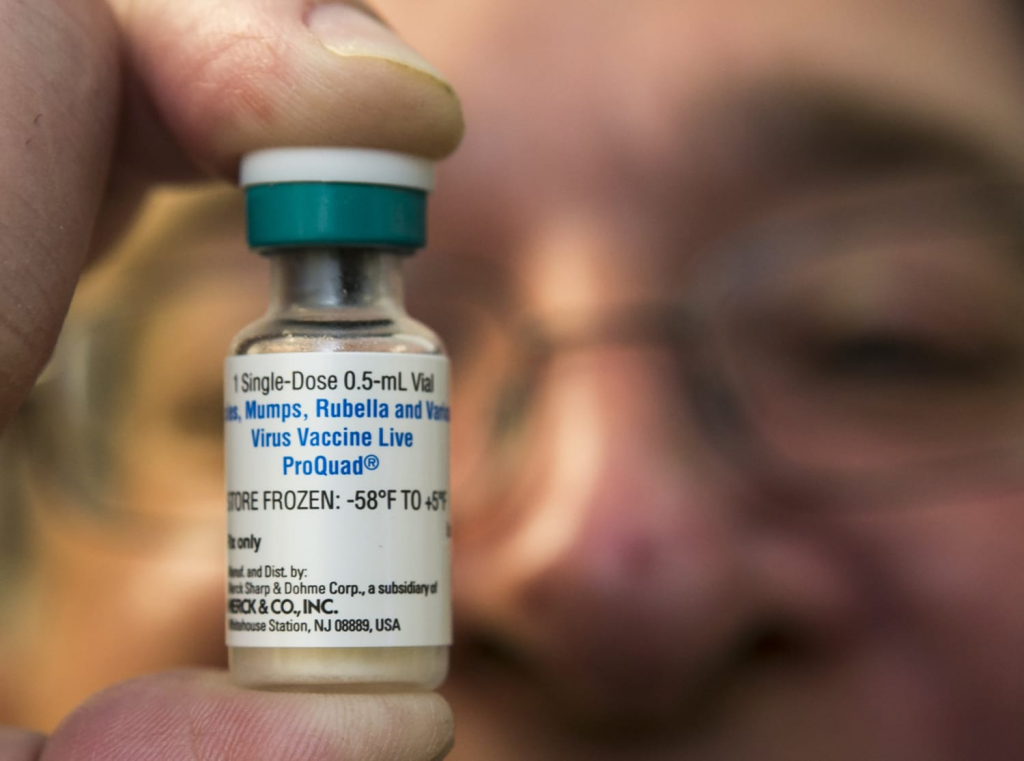
Vaccines are biological preparations that contain weakened, inactivated, or parts of a pathogen, or sometimes a blueprint of the pathogen’s genetic material. When introduced into the body, vaccines teach the immune system to recognize and remember the pathogen. This memory enables the body to mount a rapid and effective response if it encounters the actual disease in the future.
There are different types of vaccines based on their composition and method of preparation:
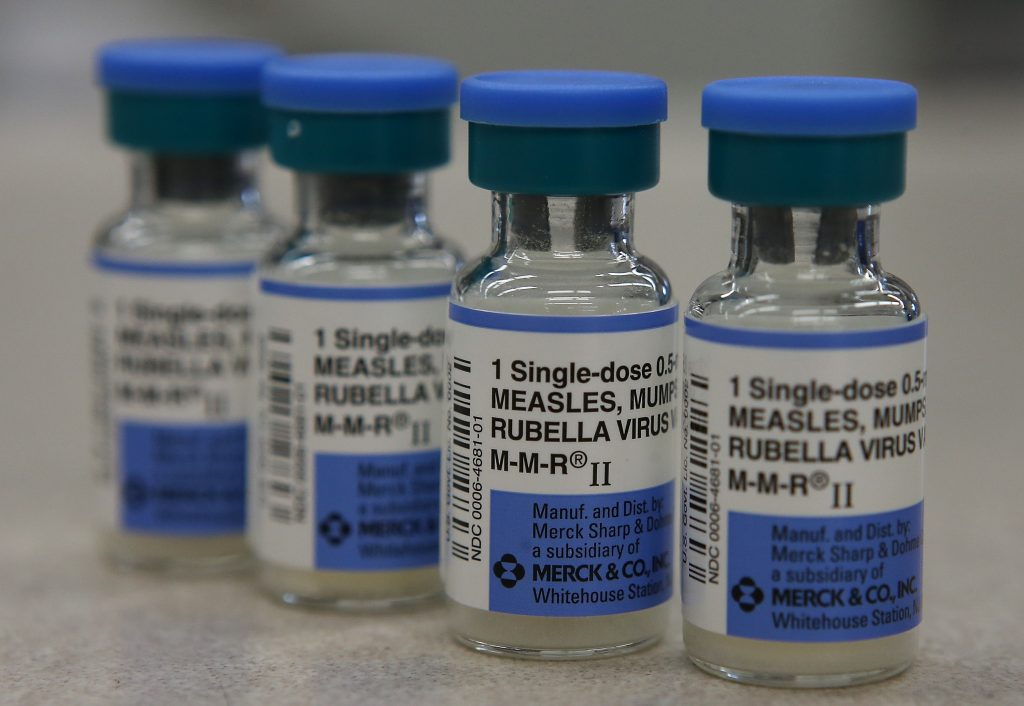
- Live attenuated vaccines: These contain weakened forms of the pathogen that cannot cause disease in healthy individuals but stimulate strong immune responses. Examples include measles, mumps, and rubella vaccines.
- Inactivated vaccines: These vaccines contain killed pathogens, which cannot replicate in the body but still trigger immunity. The polio vaccine (injected form) is an example.
- Subunit, recombinant, or conjugate vaccines: These include only specific parts of the pathogen, such as proteins, to stimulate immunity without introducing the whole microbe.
- mRNA vaccines: A newer type of vaccine that uses genetic instructions to teach cells how to produce a harmless piece of the pathogen, prompting an immune response. The COVID-19 mRNA vaccines are notable examples.
Vaccines are administered through various routes, including injections, oral doses, or nasal sprays, depending on the type of vaccine and the targeted disease.
How Vaccines Work
The immune system protects the body against infections through a complex network of cells and molecules. When a pathogen enters the body, immune cells identify it as foreign and activate a defense response. This includes the production of antibodies, which are proteins that specifically target the pathogen, and the activation of immune cells that destroy infected cells.
Vaccines mimic this natural infection process without causing illness. By presenting a safe version of the pathogen, vaccines allow the immune system to “practice” fighting the disease. This training ensures that if the body encounters the real pathogen, it can respond quickly and efficiently, often preventing illness entirely or reducing its severity.
The Role of Vaccination in Disease Prevention
Vaccination is a cornerstone of public health and disease prevention. It not only protects vaccinated individuals but also contributes to herd immunity—a situation in which a significant portion of the population is immune, making it difficult for the disease to spread. Herd immunity protects vulnerable individuals who cannot be vaccinated, such as infants, elderly people, or those with compromised immune systems.
Historically, vaccination has led to the eradication or near-elimination of several deadly diseases. Smallpox, which killed millions of people for centuries, was declared eradicated in 1980 due to a global vaccination campaign. Polio, once a widespread and crippling disease, is now eliminated in most parts of the world thanks to extensive immunization efforts. Other diseases like measles, diphtheria, and tetanus have also seen dramatic reductions in incidence because of vaccines.
Benefits of Vaccination
The benefits of vaccination extend beyond individual protection. They include:
- Reduction in Mortality and Morbidity
Vaccines prevent severe illness and death from infectious diseases. For example, the measles vaccine prevents complications such as pneumonia and encephalitis, which can be fatal, especially in children. - Economic Savings
Preventing disease reduces healthcare costs associated with treatment, hospitalization, and long-term care. Vaccination also minimizes work absenteeism and economic losses due to illness. - Protection of Future Generations
By reducing the prevalence of infectious diseases, vaccination programs protect future generations from potential outbreaks and the devastating consequences of preventable illnesses. - Control of Epidemics and Pandemics
Vaccines are essential tools during outbreaks. Rapid vaccination campaigns can prevent the spread of contagious diseases and limit the impact of epidemics and pandemics.
Common Misconceptions About Vaccines
Despite overwhelming evidence supporting the safety and effectiveness of vaccines, some misconceptions persist. Addressing these myths is crucial for maintaining public confidence in immunization programs.
- Vaccines cause the disease they aim to prevent: Vaccines are designed to be safe. They contain either inactivated pathogens or components that cannot cause illness in healthy individuals. Mild side effects such as fever or soreness are common, but they are not the disease itself.
- Vaccines are unsafe due to side effects: Like all medical interventions, vaccines can have side effects, but serious adverse events are extremely rare. The benefits of vaccination far outweigh the minimal risks.
- Natural immunity is better than vaccination: While natural infection can provide immunity, it often comes at the cost of severe illness or death. Vaccines provide safe immunity without causing disease.
- Too many vaccines can overwhelm the immune system: The human immune system is capable of handling multiple vaccines simultaneously. Modern immunization schedules are carefully designed to be safe and effective.
Global Vaccination Efforts
Worldwide, organizations such as the World Health Organization (WHO), UNICEF, and various national health agencies coordinate vaccination campaigns to prevent infectious diseases. Global initiatives like Gavi, the Vaccine Alliance, aim to increase access to vaccines in low-income countries, reducing health disparities and saving millions of lives annually.
Routine immunization programs target diseases like measles, polio, diphtheria, pertussis, tetanus, hepatitis B, and influenza. Emerging diseases, such as COVID-19, highlight the importance of rapid vaccine development and global cooperation to protect populations from novel threats.
Challenges in Vaccination
Despite significant progress, several challenges remain in achieving universal vaccination:
- Vaccine Hesitancy
Some individuals or communities are reluctant to vaccinate due to mistrust, misinformation, or cultural beliefs. This can lead to outbreaks of preventable diseases. - Access and Distribution
In many low-income regions, logistical issues such as cold chain storage, transportation, and healthcare infrastructure hinder vaccine delivery. - Emerging Pathogens
New viruses and bacteria continuously emerge, requiring ongoing research and development of new vaccines. The recent COVID-19 pandemic exemplified how rapidly the global scientific community must respond to novel threats. - Global Inequalities
Unequal access to vaccines between countries contributes to persistent health disparities and makes global disease control more difficult.
The Future of Vaccination
Vaccination research is continuously evolving. Scientists are exploring new vaccine technologies, such as mRNA platforms, universal vaccines, and needle-free delivery systems. Personalized vaccines tailored to an individual’s immune response are also under development. These innovations promise to make vaccines more effective, safer, and easier to administer, ultimately strengthening global disease prevention efforts.
Education and public awareness campaigns are equally important to address vaccine hesitancy and misinformation. Empowering communities with accurate information about the benefits and safety of vaccines ensures higher coverage and better protection for everyone.
Conclusion
Vaccination remains one of the most powerful tools in medicine for preventing infectious diseases and protecting public health. By safely stimulating the immune system, vaccines provide immunity without causing illness, reduce mortality and morbidity, and contribute to herd immunity. Despite challenges such as vaccine hesitancy and unequal access, global vaccination efforts continue to save millions of lives and prevent countless diseases.
In a world constantly facing old and emerging pathogens, vaccination represents both a scientific triumph and a moral responsibility. Every immunized individual contributes not only to their own health but also to the well-being of the broader community, creating a healthier and safer future for all.
